Anime loves to sell power as the ultimate reward. A guy gets bitten, cursed, or handed a strange notebook, and suddenly he can end wars or bend reality. Anime powers are supposed to be the payoff for surviving the first act, the thing every character secretly wants. Watch enough of these shows, though, and a different pattern starts to show up. Some of the strongest abilities in anime aren’t gifts at all. They’re punishments dressed up as strength. The character wins the fight and loses something bigger: their freedom, their memories, their ability to trust another person, or their own sense of who they are.
This list looks at seven anime powers that fall into that second category. None of them are ranked by how much damage they can do. They’re ranked by how much they cost the person carrying them, and in a few of these cases, staying dead would have been the kinder outcome.
Eternal Life Without Peace
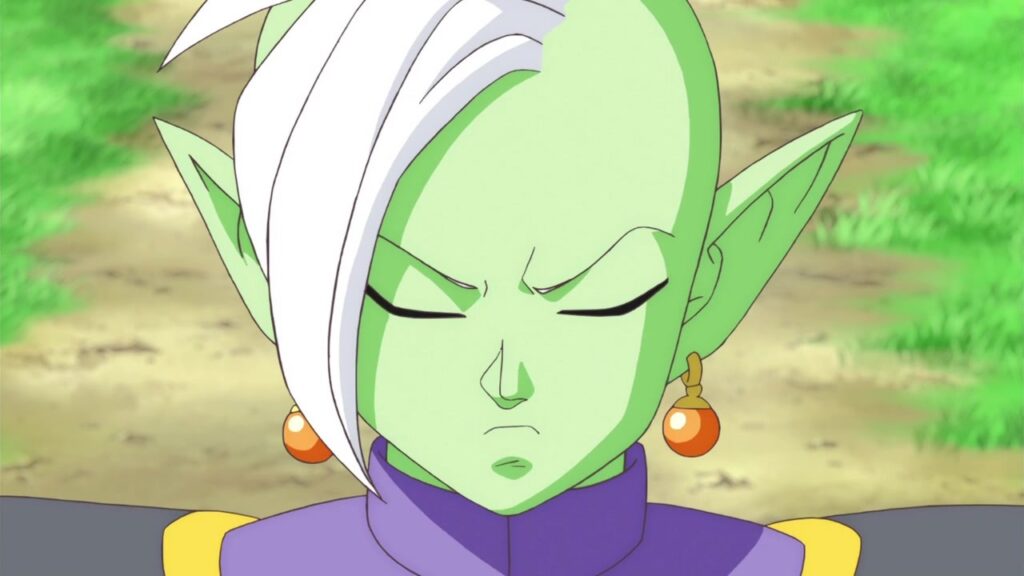
Immortality is one of the most dangerous wishes in the Dragon Ball universe, but it’s also one of the hardest to obtain. Shenron and Porunga cannot grant true immortality, forcing characters who seek eternal life to pursue far greater powers instead. Throughout the series, immortality is portrayed less as a blessing than as a dangerous ambition. Characters such as Garlic Jr. and later Zamasu chase eternal life believing it will guarantee victory, only for immortality to trap them in forms of existence that become their own punishment
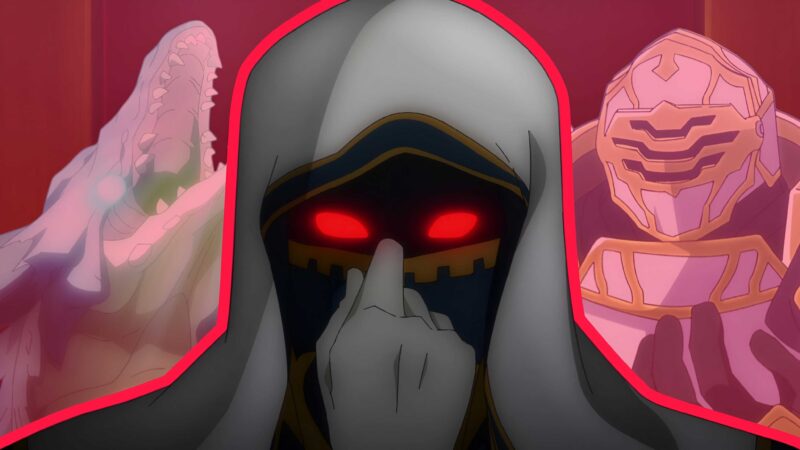
Dragon Ball Super eventually lets a version of that wish through, and the clearest result is Zamasu. Once Zamasu gains true immortality using the Super Dragon Balls, his already extreme worldview stops being a phase and becomes permanent. After fusing with Goku Black through the Potara earrings, he becomes Fused Zamasu, a being who can’t be killed through ordinary means. When Future Trunks finally manages to cut him down, Zamasu doesn’t die. He spreads into a shapeless, indestructible mass of pure hatred that fills the sky, and the only way anyone stops him is by having the timeline itself erased.
That’s the real horror of immortality in this franchise. Zamasu gets exactly what he wanted, an existence with no end point, and instead of reading as a reward, it plays out as a life sentence. He can’t grow, can’t lose meaningfully, and can’t ever call anything finished. Death gives every other character in Dragon Ball a stopping point, even a temporary one. Zamasu loses that completely, and what’s left of him just keeps going long after there’s nothing worth fighting for.
Humanity Traded for Survival
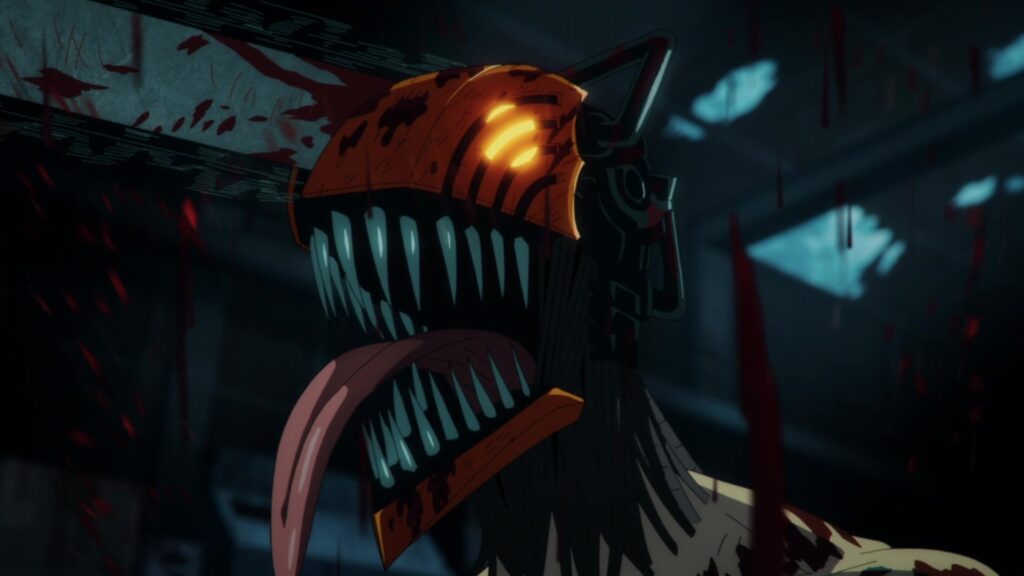
Denji becomes Chainsaw Man in Chainsaw Man by making a deal with Pochita, the Chainsaw Devil, at the exact moment Denji is bleeding out and about to die. Pochita merges with him, and Denji gets to keep living, this time as a devil hunter who can pull a ripcord and turn into a weapon built entirely out of chainsaws.
The price is that Denji trades away the option of ever being an ordinary person again. Before the contract, his biggest problems were debt and hunger. After it, he’s hunted by devils, monitored and used by his own government, and treated as a weapon first and a teenager second by almost everyone around him, including the people who claim to care about him. Much of Public Safety treats Denji more as a valuable weapon than an ordinary teenager, leaving him caught between being protected and being used.
What makes this entry land harder than a typical superhero origin is how badly Denji just wants a normal life. He isn’t chasing revenge or justice. He wants a warm bed, decent food, and maybe a girlfriend, and the contract that saved his life is exactly what makes those small, ordinary goals feel almost impossible to reach.
Surviving should have been the reward. Instead it became the reason his life stopped being his own.
The Power That Can Never Be Satisfied
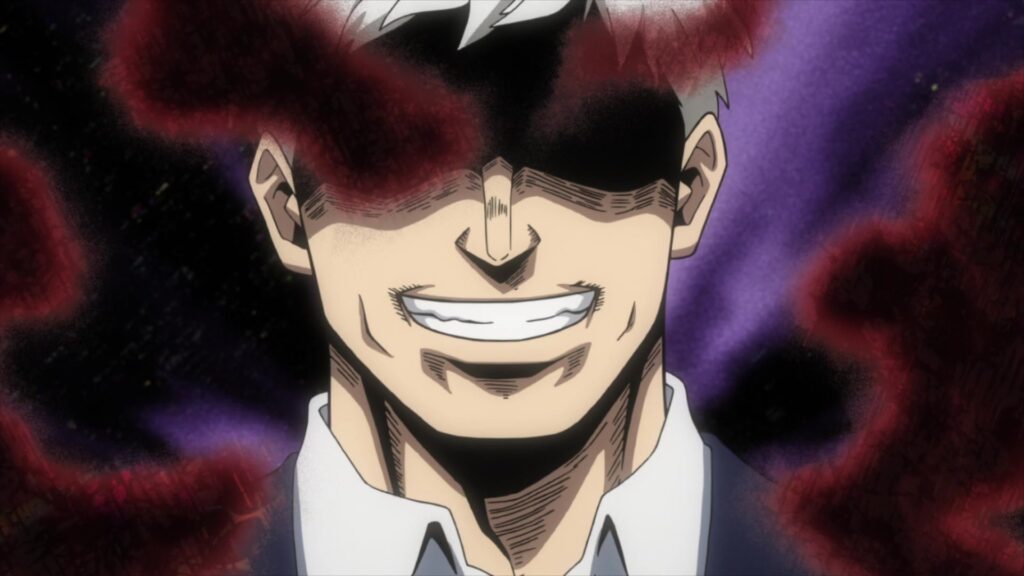
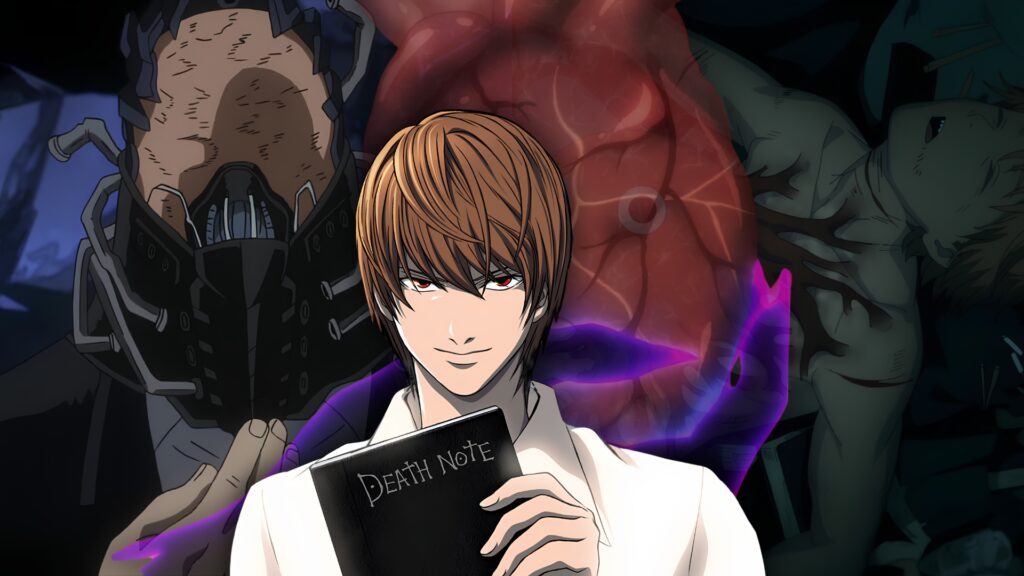
All For One is the quirk that makes every other quirk in My Hero Academia negotiable. Its user can steal abilities from other people, stack them together, and hand them off to whoever he chooses, which is exactly how All For One built himself into the single most dangerous man in the setting’s history. On raw utility, no other power on this list comes close.
The cost isn’t physical. It’s that All For One’s ability only exists because of what it took from someone else. Every quirk in his collection belonged to a person who no longer has it, and the power itself is built around domination rather than growth. All For One can’t get stronger by improving himself. He can only get stronger by taking, which means the The Quirk encourages an endless cycle of taking from others, perfectly matching All For One’s own desire for control rather than creating that desire itself.
That hunger defines his entire existence. Decades pass, empires of crime rise and fall under him, and All For One never reaches a point where he decides he has enough. His original rivalry with his own younger brother, the first holder of One For All, hardens into an obsession that outlives the brother himself and gets pushed onto the next generation instead, most visibly through what he does to Tomura Shigaraki. All For One doesn’t just want power. He needs a target to want it from, permanently, and once his original rival is gone, he simply finds someone new to hollow out and aim at the world.
A power like Return by Death traps its user in a loop of pain he never asked for. All For One is worse in a different way. It traps its user in a loop of wanting that can never close, no matter how much he already has.
That’s the pattern running through every entry on this list. The most powerful anime abilities rarely come free, and the ones that look the most incredible from the outside are often the ones nobody would actually want to carry.
The Command That Destroyed Innocence
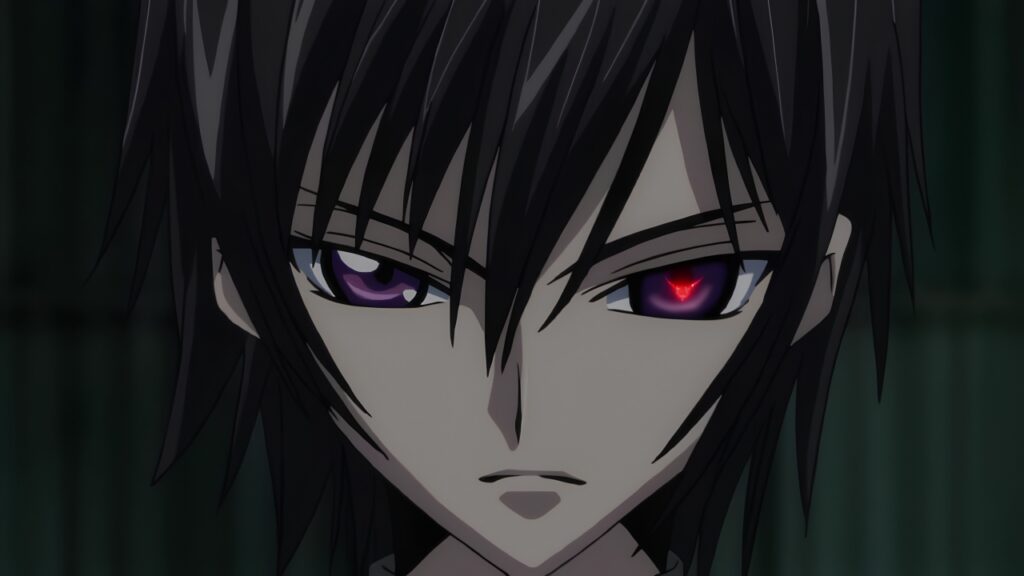
Lelouch vi Britannia’s Geass looks like the ultimate shortcut in Code Geass. One look into someone’s eyes, and Lelouch can force a single absolute command on them. Surrender your army. Forget this conversation. Live. Used carefully, it turns Lelouch into a one man revolution capable of dismantling an empire from the inside.
Used carelessly, it becomes a weapon that can’t be aimed. Geass in this series comes with a mutation that catches most fans off guard the first time through: As Lelouch’s Geass grows stronger, it eventually evolves beyond his control and begins activating automatically whenever he makes direct eye contact. He loses control over who receives his commands, and the power meant to give him total control ends up taking control away from him instead.
The clearest example is what happens to Euphemia li Britannia. Lelouch orders her, through Geass, to lead a peaceful special zone for the Japanese people. The command activates while his Geass is malfunctioning, and instead of the peaceful order he intended, Euphemia is compelled to slaughter the very people she was trying to protect, begging her own body to stop the whole time. Lelouch has to watch someone he loves become a mass murderer through his own ability, fully aware that he caused it and powerless to undo it.
Geass leaves Lelouch with more than a body count. It leaves him doubting whether his own power will ever do what he tells it to, and living with a massacre he caused but never chose. That kind of guilt doesn’t fade when the war ends.
A Notebook That Slowly Erases Its Owner
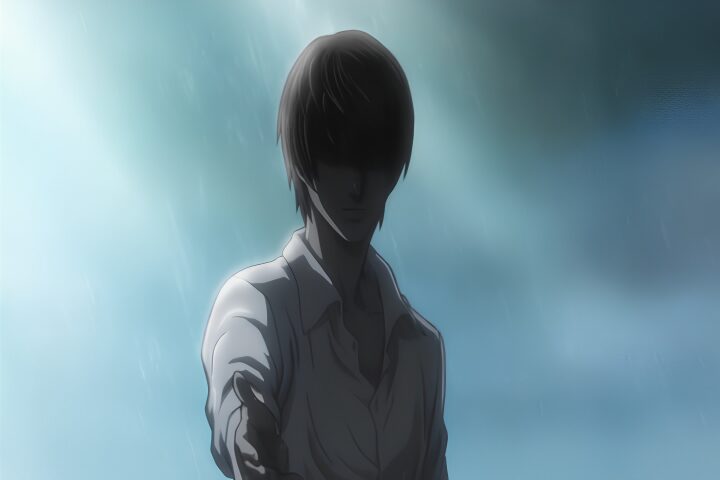
On the surface, the Death Note in Death Note looks like the ultimate power fantasy for anyone who’s ever wanted to fix the world by force. Write a name while picturing the person’s face, and they die. Light Yagami picks it up as a bored, brilliant high school student and immediately starts using it to build a new world with himself as its unseen judge.
What the notebook actually does to Light is closer to erosion than empowerment. Every kill requires him to lie to his family, his friends, and eventually the woman who loves him. He starts treating allies as tools and obstacles as problems that can be permanently solved with a name and a face. By the later parts of the series, Light is willing to plan the death of an FBI agent’s fiancée who trusts him completely, simply because her loyalty to someone else makes her inconvenient.
The Shinigami eye deal makes the trade even more literal. In exchange for the ability to see a person’s real name and remaining lifespan just by looking at their face, the notebook’s owner gives up half of whatever life they have left. Light never actually takes that deal himself, but the option existing at all tells you everything about what kind of currency the notebook trades in. It doesn’t just take other people’s lives. It slowly converts its owner’s own humanity into fuel.
By the end, Light hasn’t become a god or a judge. What he’s actually become is someone barely recognizable from the ambitious teenager who first picked up the notebook, and the notebook was the thing doing that erasing the whole time.
The Power That Chains You to History
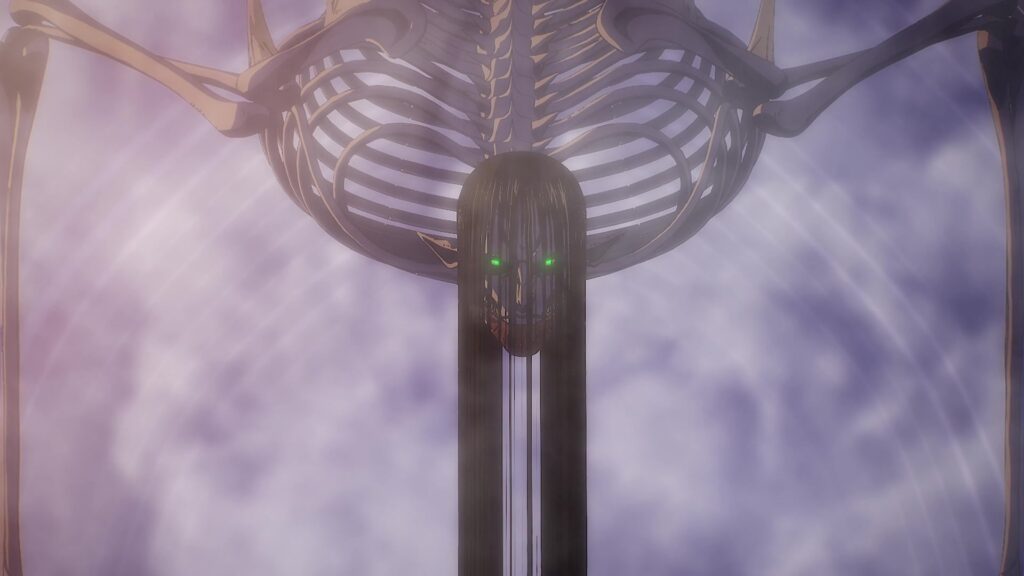
The Founding Titan in Attack on Titan is the single most powerful ability in the entire series, capable of controlling every Titan on the planet and, in the right hands, rewriting the memories of an entire race. Whoever holds it effectively holds the fate of the Eldian people in their skull.
That’s also exactly the problem. The Founding Titan doesn’t just grant power. It hands its user the accumulated memories of every previous holder stretching back to Ymir Fritz, the first Titan. Each inheritor gains access to memories from previous Titan holders, though those memories are often fragmented, incomplete, and difficult to understand. Rather than choosing their own path freely, they become tied to generations of conflict and inherited responsibility, whether they want that history or not. The power isn’t a tool the user picks up. It’s a lineage they get pulled into, one that comes preloaded with generations of trauma and political obligation.
Eren Yaeger’s arc makes this literal. He doesn’t just gain strength. Through the unique nature of the Attack Titan and the events surrounding the Founding Titan, Eren experiences memories that blur the line between past and future, making his sense of freedom increasingly uncertain, watching pieces of his own future play out before he lives them, robbed of the ability to be surprised by his own life. Free will becomes an illusion layered on top of a script he’s only slowly allowed to read.
Losing your life ends your story. The Founding Titan removes the ability to have a story that belongs only to you in the first place, which might be the more frightening trade.
A Second Chance That Never Truly Ends
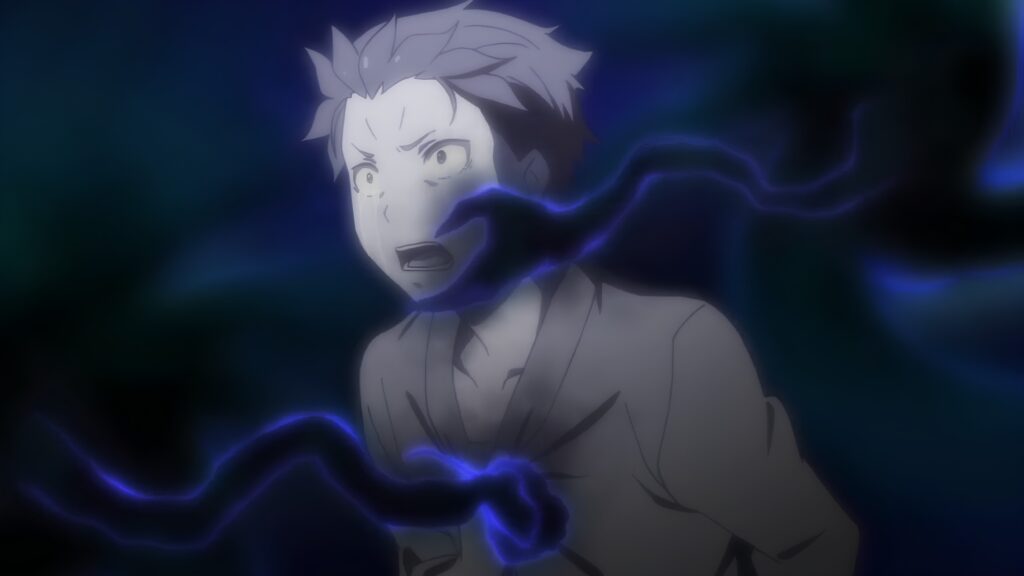
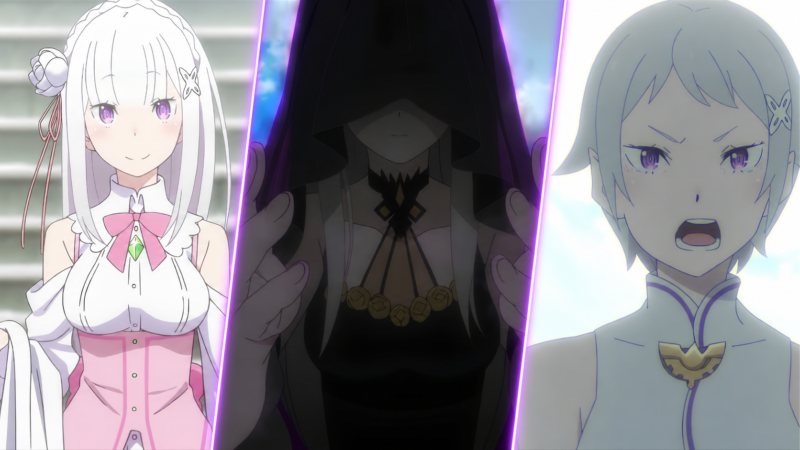
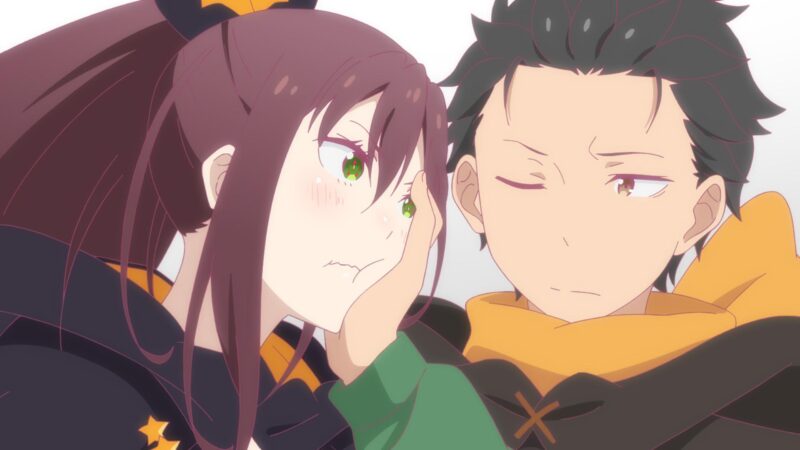
Subaru Natsuki‘s ability in Re:Zero sounds like a cheat code at first. Die, and instead of the story ending, Subaru wakes up at an earlier save point with his memories intact. Everyone else forgets. The timeline resets around him. On paper that looks like a free retry button for life.
The catch is that Subaru still has to die to use it, and Re:Zero doesn’t soften what dying actually feels like. He gets stabbed, crushed, poisoned, and worse, over and over, and each death is drawn out with the kind of detail most shows would cut away from. The power resets the world. It doesn’t reset his body’s memory of what happened to him.
There’s also the isolation. Return by Death is tied to a curse from the witch Satella, and for most of the story Subaru can’t tell anyone it exists without triggering unbearable pain.
He’s the only person in every timeline who remembers the failures, the betrayals, and the versions of his friends who died because of choices only he can recall. He carries every version of every tragedy alone, unable to even explain why he’s so desperate to fix things that, to everyone else, haven’t happened yet.
That’s the real cost. Not the deaths themselves, but the loneliness of surviving them with no one who can understand what he’s protecting them from. A power that quietly convinces its user that suffering in silence is the price of loving people is arguably crueler than a power that just ends things.