This article contains Tokyo Revengers Season 4 spoilers through Episode 58, plus a little labeled manga background. It does not reveal how the conflict ends..
Why did the Three Titans rise after Toman fell? The easy answer is that Tokyo suddenly produced three leaders stronger than anyone before them. The story points elsewhere. A dominant organization disappeared, older factions with experienced fighters were still standing, and three very different people built rival centers of power in the space Toman left behind.
The anime has already reached this point. Episode 51 has Mikey dissolve Toman, and Episode 55 (Season 4 Episode 5) drops Takemichi into 2008, where Tokyo is divided among Kanto Manji Gang, Rokuhara Tandai and Brahman.
Three Titans Explained: Why Did the Three Titans Rise After Toman Fell?
Toman was not just another gang. After beating Tenjiku it had become the most influential delinquent organization in Japan, so its dissolution released a great deal of influence at once. Central authority was gone, which let rivals expand without confronting the group that used to dominate them. The experienced fighters did not disappear either: former Tenjiku and First Generation Black Dragon figures were still influential. And with no clear top, a contest for leadership began.
The order matters. The manga calls the period that followed Tokyo’s Sengoku era, or the Tokyo Civil War Era, and in Episode 55 Yamagishi explains that two years after Toman disbanded, Tokyo is split among three organizations. The civil war came first; the Three Titans were the dominant powers that emerged from it, not the founders of one united group. The comparison with Japan’s historical Sengoku period is a reading rather than something the series states, but it fits: an established authority collapses, many independent powers compete, and a few factions come out on top.
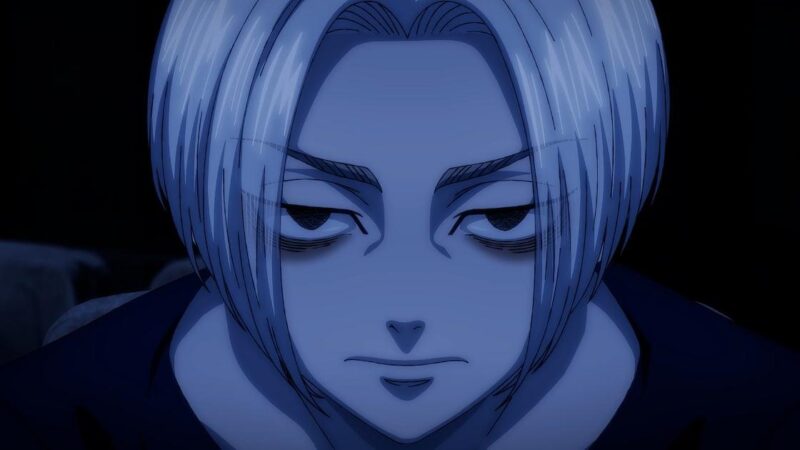
That makes it tempting to call Mikey the accidental architect of the era, but consequence and intention are different things. Dissolving Toman opened the door. His own reasons, as Episode 54 presents them, are personal: in a recorded message he explains that Shinichiro, Emma and Baji once helped keep his dark impulses under control, and their absence helps explain why he separates himself from his surviving friends.
The Old Gangs Never Really Left
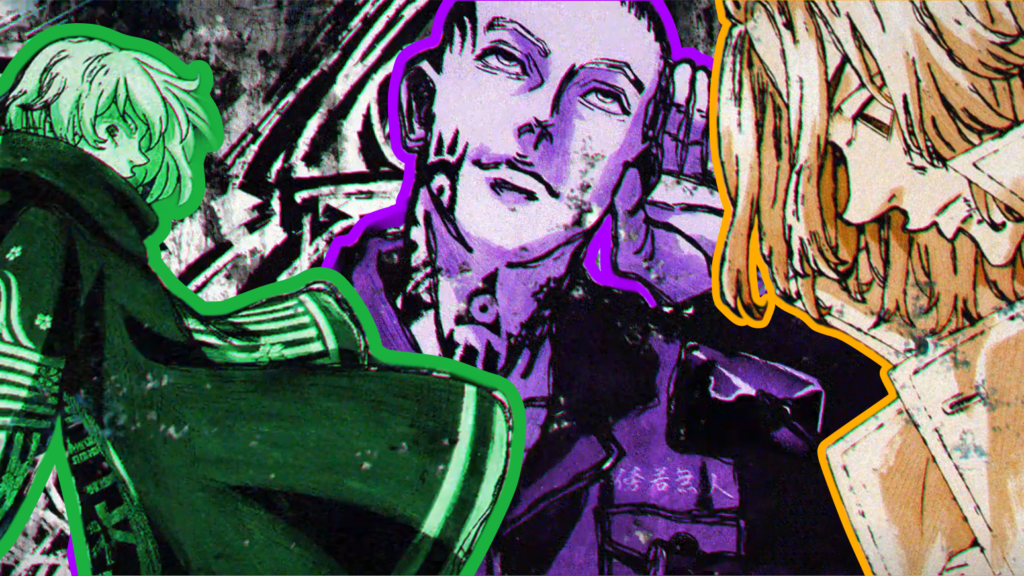
Two of the three organizations grow out of earlier arcs. Brahman, led by Senju Kawaragi and based in Shinjuku, draws on First Generation Black Dragon veterans from a gang originally associated with Shinichiro Sano. Takeomi Akashi brings organizational experience, while Wakasa Imaushi and Keizo Arashi bring fighting strength and credibility. Rokuhara Tandai, led by South Terano and based in Minato, gathers some of the most dangerous fighters from the former Tenjiku side, with executives including Kakucho, Ran Haitani and Rindo Haitani. Kanto Manji Gang is the exception. Based in Shibuya, it rests on Mikey‘s reputation, with Sanzu and Kokonoi beside him.
So the Three Titans look less like a new generation than a regrouping. The manga fills in the timeline: Chapter 230 places Brahman’s founding in 2006 and Chapter 227 places Rokuhara Tandai’s in 2007, while Kanto Manji formed after Toman’s dissolution. A founding date does not make a Titan, though. The Three Titans Era describes the balance of power that existed by 2008, not one shared starting point.
Three Leaders, Three Kinds of Power
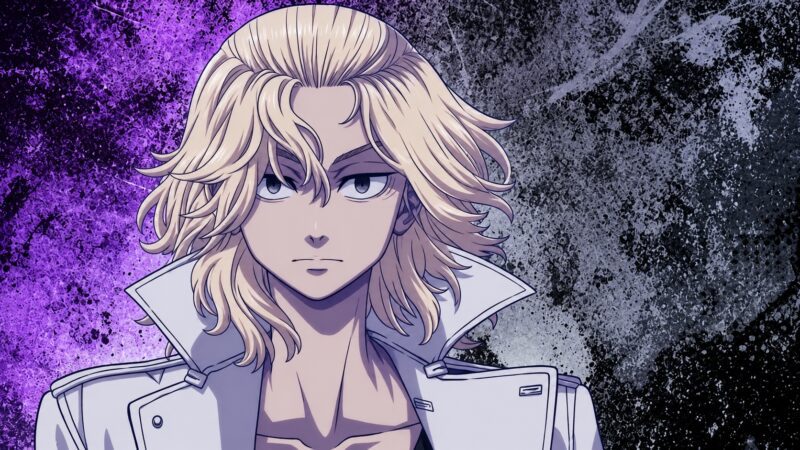
Mikey is the one Titan who already stood at the top. He chose to dissolve Toman, then turns up leading Kanto Manji Gang in Episode 55, which creates the arc’s central contradiction: he rejected his old life while staying in the same violent world. A fair reading is that Kanto Manji continues his power but not Toman’s relationships or values. That is an interpretation, though a stronger one than saying he simply wanted to be Tokyo’s strongest again.
South treats power as proof of superiority. Episodes 55 and 56 show him as an aggressive rival who tries to recruit strong fighters, Takemichi among them, and his organization runs on physical domination and intimidation, a long way from Toman’s original emphasis on friendship and loyalty. Manga Chapter 227 adds a violent childhood in Brazil and time in Japanese juvenile detention before he founded Rokuhara Tandai in 2007. His rise cannot be blamed entirely on Toman’s fall; Tokyo’s unstable gang scene simply gave a man with that history room to expand.
The three were balanced, but not equal on any single measure. A ciatr gang profile describes Rokuhara Tandai as the largest by membership or scale, yet size alone does not decide a fight. Kanto Manji leans on Mikey’s reputation, Brahman on veteran fighters, Rokuhara Tandai on former Tenjiku fighters and numbers. Episode 58 then shows Rokuhara Tandai’s attack destabilizing that balance.
Where Brahman’s Ideals Start to Bend
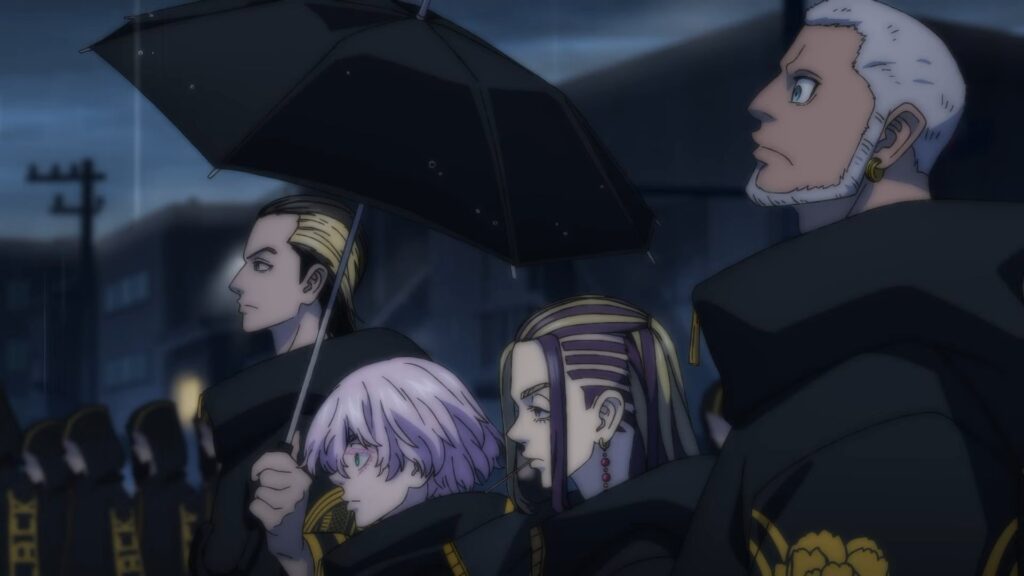
Brahman shows that these organizations were not simple land grabs. In Episode 56 both Brahman and Rokuhara Tandai court Takemichi, so the gangs are hunting for influential fighters and supporters as well as territory. Episode 57 then shows more of Brahman’s underground fighting environment and Senju’s plan to confront Kanto Manji Gang and Rokuhara Tandai, and the anime supports a split: Senju’s personal ambitions do not line up perfectly with the increasingly business minded interests around her organization.
The manga explains where that strain comes from. Chapter 230 gives Brahman’s origin: Senju wanted to challenge Mikey, and Takeomi and the former Black Dragon figures helped her build the organization. Chapter 229 shows financial opportunity and Takeomi’s growing ambition complicating that purpose. Still, it would be inaccurate to say he created Brahman only to exploit Senju. The manga also traces his history with Shinichiro and the First Generation Black Dragon, and his later decline in reputation and finances. The safer conclusion is that Brahman’s original ambition was compromised as he chased influence and money. The anime has begun to show that tension; the full backstory is still manga material.
So Why Did the Three Titans Rise?
Toman’s dissolution removed the power that had dominated Tokyo’s delinquents, older factions already had the fighters and experience to fill the gap, and Mikey, South and Senju each wanted something different from power. That difference gives the era its character: Mikey’s power cut loose from the friendships around it, South’s power as domination, Senju’s ambition under pressure from the money around Brahman. Episode 59 is scheduled for November 27, and how the struggle between the three plays out belongs to the episodes still to come.
Sources: Tokyo Revengers official anime site | Kodansha | Fandom | ciatr | WEBザテレビジョン