Anime villains are taking over. Ask any anime fan to name their favorite character from Naruto and there is a fair chance they say Itachi before they say Naruto. Ask about Jujutsu Kaisen and Sukuna gets mentioned before Yuji. Ask about Dragon Ball Z and Vegeta comes up before Goku. This is not a coincidence, it is a pattern that runs through nearly every major anime franchise, and it raises a genuinely fascinating question: why do anime villains consistently earn more love than the heroes they are supposed to be fighting against?
This is not about edginess. This is not about fans wanting to be different. Anime villains earn their popularity the same way any great character does through writing, depth, and emotional resonance. The difference is that anime writers tend to give their villains a freedom of expression and complexity that heroes rarely receive. Here is a breakdown of every real reason why anime villains are loved more than heroes with examples from the biggest franchises in the medium.
Anime Villains Have Better Backstories
The single biggest reason anime villains are more beloved than heroes is their backstories. Not all of them, but the best ones carry histories so painful and so carefully constructed that by the time you understand them, you can no longer see the character as simply evil.
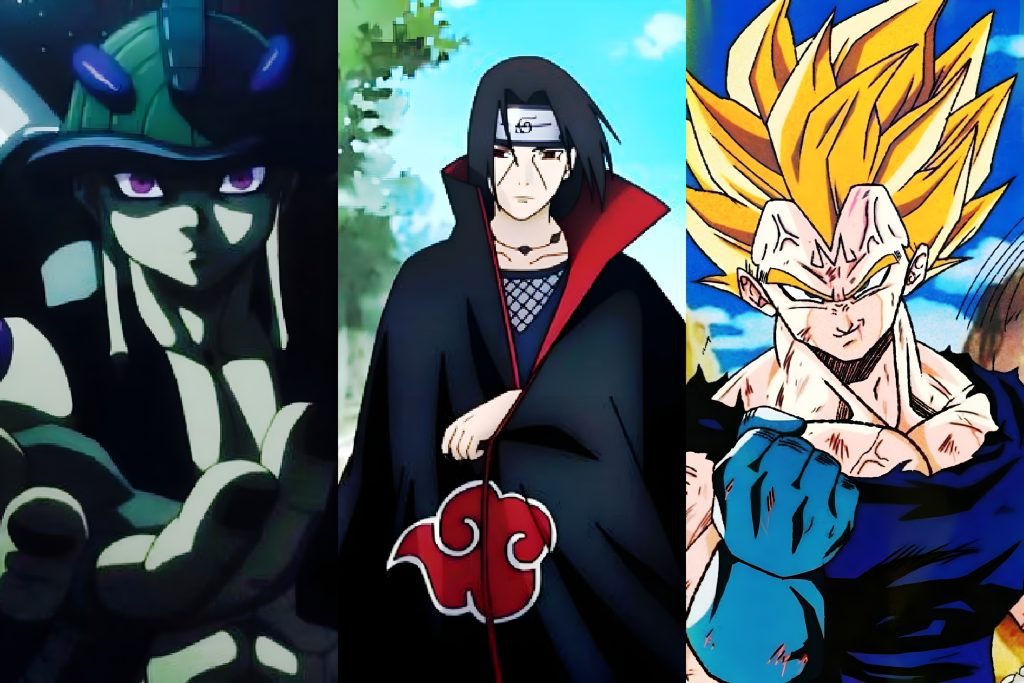
Itachi Uchiha is the defining example. For most of Naruto Shippuden, he is presented as a cold-blooded murderer who slaughtered his entire clan, including his own parents, and left his younger brother traumatized for life. When the full truth is revealed that Itachi was ordered to carry out the massacre to prevent a coup that would have killed thousands, that he chose to become a monster in the eyes of the world to protect the village and keep Sasuke alive the entire character is recontextualized in one of the most devastating reveals in anime history.
Itachi did not become a villain because he was evil. He became a villain because he was the only person willing to carry a burden no one else could bear. That kind of backstory does not make fans admire a character, it makes them grieve for them.
Pain from Naruto follows the same logic. His philosophy that only true suffering can create understanding, and only understanding can create peace is monstrous in execution and genuinely coherent in reasoning. By the time his backstory is fully revealed, showing a child who watched his friends die in a war created by powers far beyond him, the viewer has already stopped thinking of him as a simple antagonist.
Anime villains with fully realized backstories do not just earn sympathy, they earn the kind of emotional investment that rivals the protagonist.
Anime Villains Are Unpredictable And That Is Thrilling
Heroes in anime follow a familiar path. They train, they struggle, they find their resolve, they win. This arc is emotionally satisfying, but it is also predictable. Viewers know Luffy will not lose the final battle. They know Naruto will find a way. The outcome is never truly in doubt.
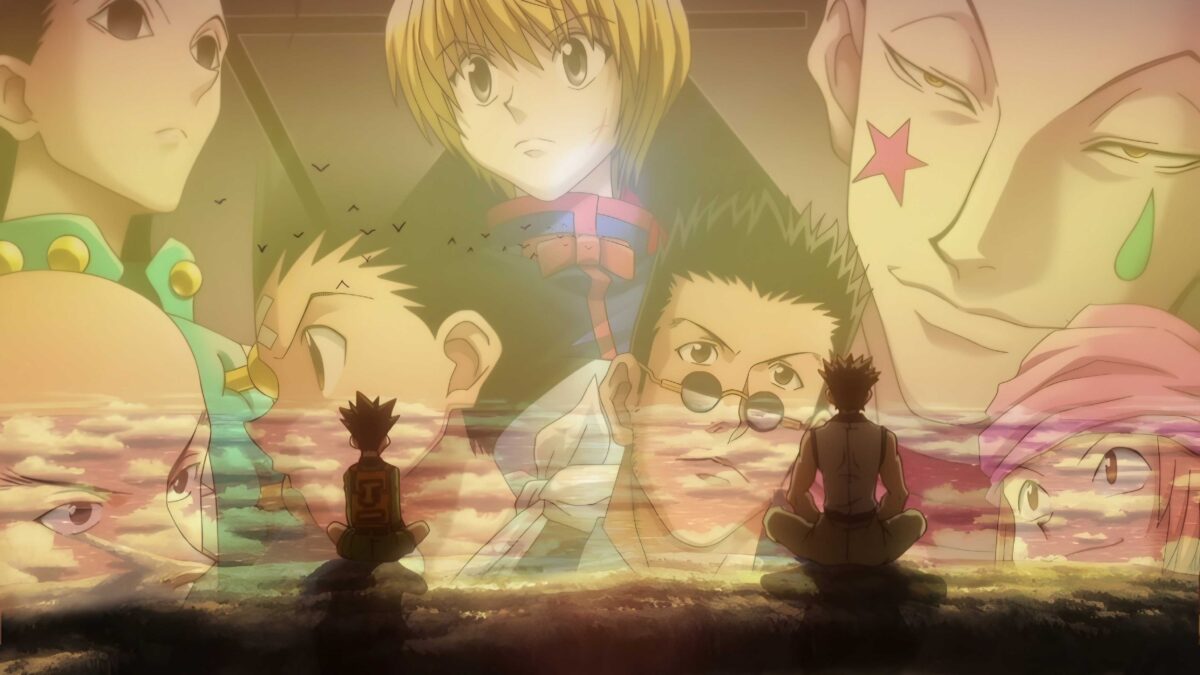
Anime villains carry no such guarantee. When a villain appears on screen, the viewer genuinely does not know what is going to happen. Hisoka in Hunter x Hunter is the perfect example. He is unpredictable not just in his actions but in his motivations. He might help the protagonist, betray an ally, or simply walk away from a fight because he decided it was no longer interesting. That unpredictability creates a tension that heroes simply cannot replicate.
Sukuna in Jujutsu Kaisen operates in the same space. Every time he takes control, the scene immediately becomes dangerous in a way that none of the heroes can match. He has no narrative safety net. He exists outside the rules that protect protagonists, and that freedom makes every scene he appears in genuinely gripping.
Predictability is comfortable. Unpredictability is exciting. And excitement, in the long run, is what fans remember.
Anime Villains Say What Heroes Cannot
One of the most underrated reasons anime villains connect so deeply with audiences is that they are allowed to voice ideas that heroes cannot. Heroes must stand for hope, justice, and perseverance. Villains are under no such obligation and writers use that freedom to give them perspectives that are uncomfortable, challenging, and sometimes disturbingly persuasive.
Light Yagami from Death Note is the clearest example of this dynamic. Light is technically the protagonist but functions as the story’s villain and his central argument, that the world would be genuinely safer if criminals were eliminated without mercy, is one that a traditional hero could never openly advocate for. The show does not endorse Light’s methods. But it presents his logic with enough clarity that viewers find themselves following his reasoning even as they watch him spiral into something monstrous.
Madara Uchiha from Naruto takes this even further. His Infinite Tsukuyomi plan putting the entire world into a dream where no one suffers is presented as evil, but the logic behind it is not easily dismissed. He argues that the cycle of hatred and war is inherently unsolvable and that the only true peace requires removing human agency entirely. It is a horrifying conclusion reached through coherent steps.
When anime villains voice ideas that challenge the viewer, they stop being obstacles for the hero to overcome and become philosophical counterweights that make the entire story more interesting.
Anime Villains Have Stronger Character Development
There is a widespread assumption that heroes have better character arcs than villains. In anime, this is frequently untrue.
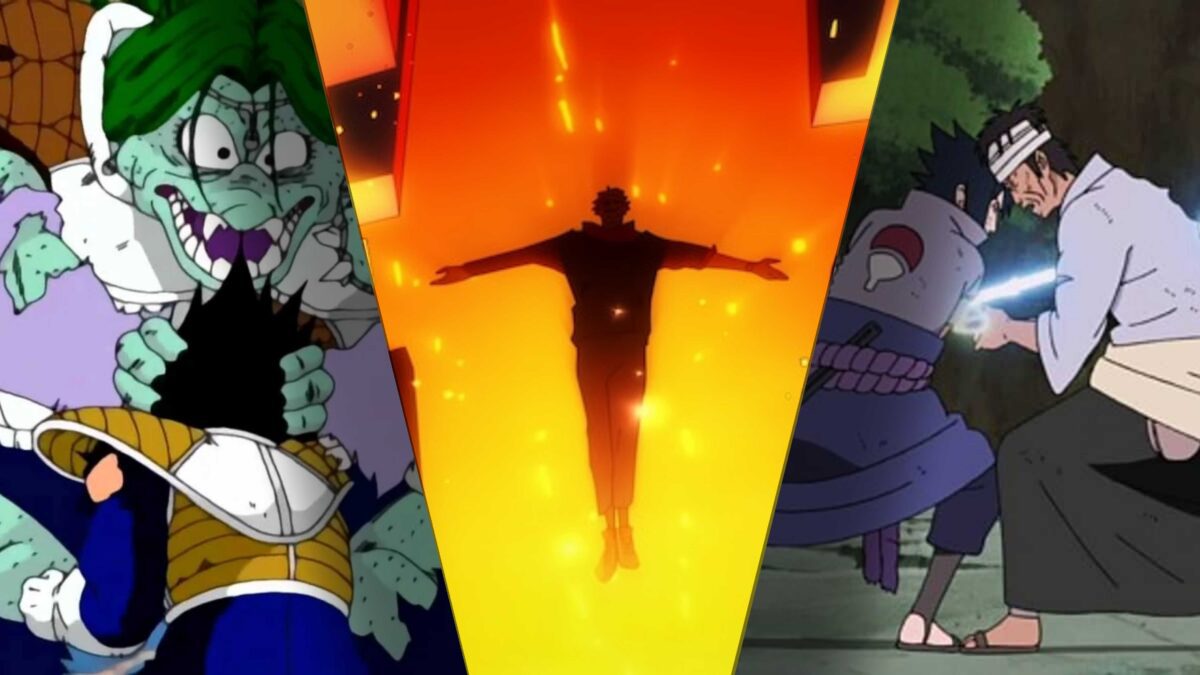
Vegeta from Dragon Ball Z undergoes one of the most complete transformations in shonen anime. He begins the series as a genocidal warrior who views compassion as weakness, and ends it as a husband, father, and protector willing to sacrifice himself for the people he once would have destroyed without thought. That transformation is earned across hundreds of episodes of genuine struggle not a sudden change, but a slow and painful evolution that never loses the core of who Vegeta is.
The key difference between Vegeta’s arc and Goku’s is that Vegeta has something to overcome within himself. Goku’s core personality cheerful, competitive, fundamentally good remains largely static throughout the series. He improves in power. He does not substantially change as a person. Vegeta changes completely while remaining recognizably himself. That is harder to write and more satisfying to watch.
Meruem in Hunter x Hunter represents perhaps the most profound villain transformation in anime. He begins as a Chimera Ant king who views humans as livestock. His relationship with Komugi a blind human girl who beats him repeatedly at a board game gradually introduces him to concepts of human dignity, connection, and the value of a life that cannot be measured by strength. By the time he dies, Meruem has become one of anime’s most emotionally complex characters, and his final moments are among the most devastating in the medium.
Anime villains who change or who resist change with full awareness of what they are choosing create more compelling stories than heroes who were always going to be heroic.
Anime Villains Look and Sound Incredible
This is simpler than the other reasons but no less real: anime villains are designed to be visually and aurally striking in ways that heroes often are not.
Muzan Kibutsuji from Demon Slayer appeared in his first scene dressed in a stylish hat and suit, surrounded by a family, eating at a restaurant, and immediately became one of the most talked-about villain introductions in recent anime. Nothing dramatic happened. He simply appeared, and the combination of his design, his voice, and his immediate aura of wrongness made him instantly compelling.
DIO from JoJo’s Bizarre Adventure became a cultural icon through sheer theatrical confidence. His poses, his catchphrases, his outfits everything about DIO’s design was engineered to be unforgettable. The character’s popularity has transcended the anime into broader internet culture in a way that is almost unparalleled.
When villains are given the most striking designs, the most memorable voices, and the most dramatic introductions, fans remember them. The visual language of anime is uniquely powerful, and writers and animators consistently deploy it in service of their villains.
The Heroes Are Sometimes the Problem
It is worth saying directly: sometimes anime villains are more popular than heroes not purely because the villains are great, but because the heroes are underwritten.
Goku is widely acknowledged as a less interesting character than Vegeta. Yuji Itadori is frequently cited as less compelling than Sukuna, Gojo, or Mahito. Thorfinn in the early seasons of Vinland Saga angry, reactive, and consumed by revenge is considered by many fans to be less interesting than Askeladd, the man he is trying to kill.
This is not always the writer’s fault. Heroes carry structural constraints that villains do not. The protagonist must be relatable to the widest possible audience, must embody the story’s moral values, and cannot be too morally complex without alienating readers who need someone to root for without reservation. These constraints, applied over hundreds of chapters, can produce protagonists who feel safe compared to the antagonists written with no such limitations.
When a hero feels safe and a villain feels dangerous, interesting, and fully realized fans will gravitate toward the villain. Not because they endorse what the villain represents, but because they respond to the better writing.
The Most Beloved Anime Villains of All Time
To make this discussion concrete, here are the anime villains who consistently top fan polls and dominate community discussions:
Itachi Uchiha (Naruto) The gold standard of the tragic villain. His reveal remains one of anime’s most emotionally devastating moments.
Vegeta (Dragon Ball Z) The greatest villain-to-hero transformation in shonen history. More popular than the protagonist of his own series.
Meruem (Hunter x Hunter) The most profound villain arc in modern anime. His relationship with Komugi is one of the medium’s finest pieces of storytelling.
Light Yagami (Death Note) The villain who makes you question your own moral reasoning. Arguably the most intellectually engaging anime antagonist ever written.
Madara Uchiha (Naruto) The anime villain against whom all others are now measured. His Naruto vs Madara moments remain the benchmark for peak shonen anime.
Griffith (Berserk) One of fiction’s most complete betrayals. His transformation from beloved ally to ultimate enemy is one of the most devastating character arcs in manga and anime history.
DIO (JoJo’s Bizarre Adventure) A cultural icon. Theatrical, unforgettable, and completely committed to being exactly what he is.
Frequently Asked Questions
Why do anime fans love villains more than heroes? Anime villains tend to have more complex backstories, unpredictable behavior, stronger visual design, and freedom from the moral constraints placed on heroes. These qualities combine to make them more memorable and emotionally engaging for many viewers.
Who is the most popular anime villain of all time? Based on fan polls and community discussions, Itachi Uchiha, Vegeta, and Madara Uchiha consistently rank as the most beloved anime villains. DIO from JoJo’s Bizarre Adventure and Meruem from Hunter x Hunter are also perennial top entries.
Are anime villains supposed to be relatable? The best anime villains are written to be understandable rather than simply relatable. Their logic makes sense even when their actions are indefensible — which is more compelling than a villain who is simply evil without reason.
Which anime has the best villains? Naruto, Hunter x Hunter, Berserk, Death Note, and Jujutsu Kaisen are consistently cited as anime with the strongest villain writing. Each series features antagonists who rival or surpass the protagonist in terms of fan interest.
Do anime villains ever become heroes? Yes. Some of anime’s most beloved characters began as villains — Vegeta, Gaara, Zuko from Avatar, and many others underwent complete transformations from antagonist to ally. These characters often become the most popular in their series precisely because of how fully realized their change is.
What makes an anime villain unforgettable? A combination of a compelling backstory, a coherent motivation, unpredictable behavior, strong visual design, and writing that takes their perspective seriously rather than treating them as simply an obstacle for the hero.
One Piece, Naruto, Hunter x Hunter, Jujutsu Kaisen, Dragon Ball Z, Death Note, Demon Slayer, Berserk, and JoJo’s Bizarre Adventure are all available to stream on Crunchyroll and Netflix.