Crunchyroll made it official. The Kagurabachi Anime premieres in April 2027, and once you look past the announcement itself, this was never really in question. The manga has been outselling most of its Weekly Shonen Jump peers, the fandom has spent two years arguing whether it deserves a spot next to Jujutsu Kaisen and Demon Slayer, and the online hype cycle already ran its full course, from ironic memes to genuine reverence, before the anime even had a director attached. Kagurabachi is not chasing titan status. By the numbers and by the noise around it, it already has a claim to one.
The Announcement That Made It Official
Crunchyroll confirmed that Kagurabachi, currently serialized in Weekly Shonen Jump, is getting a full anime adaptation with a worldwide stream outside Japan and China starting in April 2027. Production is handled by Cypic, the CyberAgent studio previously behind Uma Musume, with Tetsuya Takeuchi directing and Keigo Sasaki on character design, and Crunchyroll keeps landing the biggest Shonen Jump adaptations (readers of our Crunchyroll vs Netflix streaming war coverage already know that pattern).
Kagurabachi Anime Production Lineup:
Animation Production: Cypic Series Director: Tetsuya Takeuchi Character Design: Keigo Sasaki Global Streaming: Crunchyroll, outside Japan and China
That alone would be a normal news cycle. What makes it different is the manga behind it. As of mid 2026, Kagurabachi has passed 4 million copies in circulation, after crossing 3 million in October 2025. Volume 10 sold roughly 191,709 copies in its first month, a number that landed it among the year’s top selling manga, and Volume 11 pushed the series into the Oricon top 10 through fresh sales plus a backlog bump from readers catching up.
Series creator Masashi Kishimoto put his name on Kagurabachi’s volume three obi, praising how hard the story pulls readers forward and how much emotion the art carries. My Hero Academia’s Kohei Horikoshi and musician Vaundy gave early volumes a public nod too. None of that guarantees a good anime, but it means the source material walked in with more commercial proof than most manga get before episode one airs.
What Kagurabachi Fans Are Actually Saying
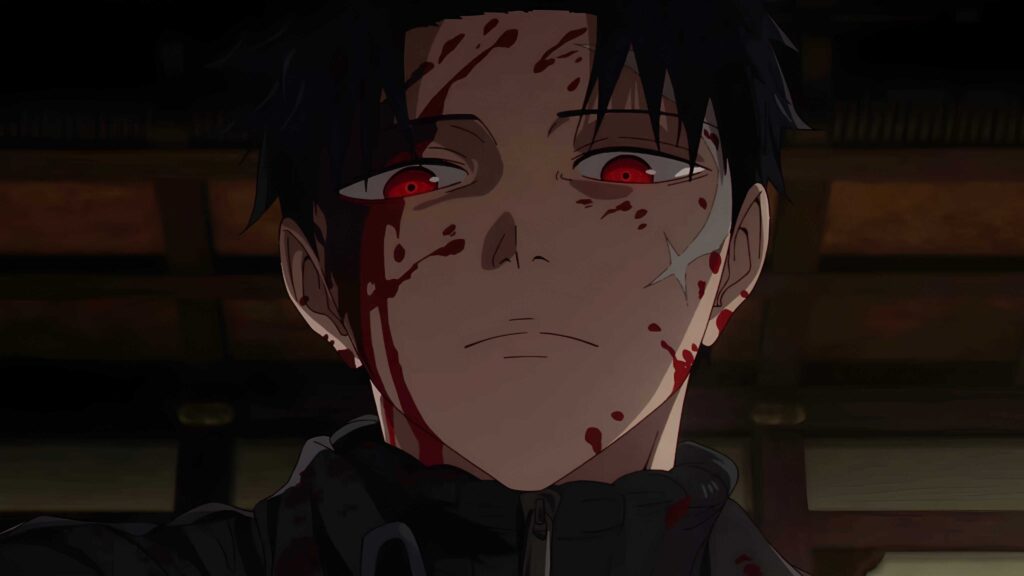
Scroll through r Kagurabachi, r manga, or r anime and the praise stays fairly consistent. Readers keep pointing at the Sojo arc, also called the Sword Bearer arc, as the moment the series became a serious contender. Fans describe a cast that keeps deepening, villains like Sojo and Kyora who feel like real threats, and mature themes around war, trauma, and responsibility that most early shonen fights skip right past.
The other constant is Hokazono’s paneling. Fans describe entire pages that move like film, with parallel action sequences that build and release tension the way a director cuts a scene. That cinematic instinct is why fans keep saying this series was built for animation before it ever had one.
Then there is the meme layer. Tenoi, fan slang that roughly means peak or awesome, grew out of a small inside joke into a genuine celebration used across the community. Chihiro’s declaration that he wakes up ready to face the day with fresh hatred became a defining catchphrase, one fans read as a tough front covering someone actually carrying real guilt. He picked up the nickname ChihiGOAT along the way, and the series itself gets called peak fiction often enough that it stopped being a joke. The community’s own running line sums it up: the memes were supposed to be just for fun, and somewhere along the way people started meaning it.
How a Joke Hashtag Turned Into Real Hype
Kagurabachi’s run on X and Instagram followed a familiar shape for internet culture, just compressed. Early fan art leaned into irony, at one point comparing Chihiro’s flat expression to Morbius as a joke about deadpan main characters. The Crunchyroll announcement and earlier teasers turned that irony into real excitement, with the hashtag lighting up around convention moments, including crowds waving Kagurabachi banners at Anime Expo and Anime NYC.
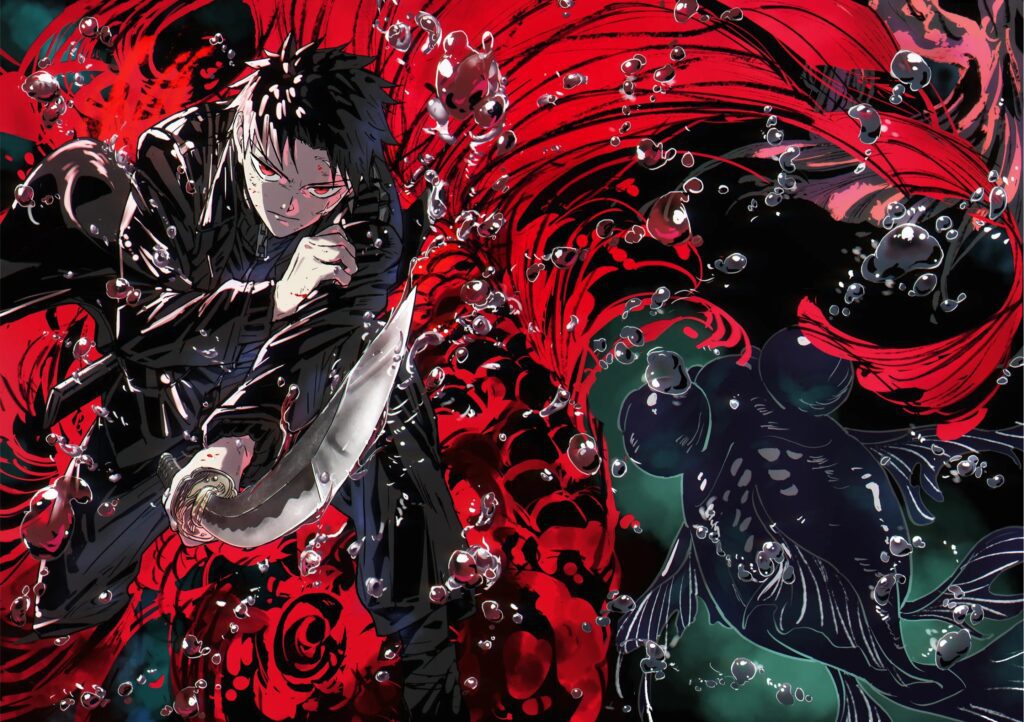
Visually, fans keep circling back to Chihiro’s goldfish shaped sword Enten and the sumi ink smoke effects in his attacks. Fan art redraws those panels constantly, usually in gold and teal against the manga’s black and white contrast, and that visual hook is part of why the hype outlived the meme phase.
Why YouTube and TikTok Keep Bringing Up Jujutsu Kaisen
Video essays and reaction channels tend to land on the same point: Kagurabachi does not waste time. Reviewers describe a series that states its objective early and moves straight into the plot, skipping the long setup that slows down a lot of modern shonen. That efficiency gets compared directly, and often favorably, to Jujutsu Kaisen’s first arcs. Readers of our Jujutsu Kaisen Season 3 rankings piece already know fans do not throw that comparison around lightly.
TikTok clips lean into the fights themselves, with captions calling the choreography heavy and cinematic, and more than one comparison to John Wick’s close combat style. Viewers who caught early animation previews describe fluid, grounded fight scenes, and some say the choreography already beats what Jujutsu Kaisen and Chainsaw Man delivered on screen. Whether the finished anime holds up to that bar in April 2027 is the real test.
The Titan Metrics: Kagurabachi Against JJK, Demon Slayer, and Solo Leveling
Fans do not compare Kagurabachi to random series. They compare it to shows that already hold titan status, and the comparisons get specific.
Against Jujutsu Kaisen, the argument centers on pace. Readers regularly say Kagurabachi’s opening chapters outperform JJK’s early run, pointing to the Samura betrayal twist as a moment that hit Hidden Inventory level impact far earlier in the story than JJK needed.
Against Demon Slayer, the comparison started as an accusation, with early readers claiming Kagurabachi’s art borrowed too directly from it. Fans pushed back, noting that shared sword and revenge tropes do not equal copying, any more than One Piece or Bleach copied Dragon Ball for a similar shonen structure. The real difference sits in tone. Tanjiro’s journey runs on hope and purity. Chihiro carries cursed swords holding the souls of past killers, which makes his fight feel far more morally tangled.
Against Solo Leveling, the contrast is how power gets earned. Sung Jinwoo’s strength comes from a system that hands it to him. Chihiro inherits a blade tied to his own family’s destruction, so every fight carries guilt along with it. Fans compare that weight to the soul bound Poneglyphs in One Piece or the demon pact swords in Berserk more than to any leveling mechanic, which says a lot about where Kagurabachi wants to sit in the genre.
The Bigger Picture for the Kagurabachi Anime
Put the pieces together and the Kagurabachi Anime is not walking into an empty room. It has a manga selling at a pace few current Jump titles can match, a Naruto creator endorsement on its own volume cover, two years of fan discourse that already settled most of the is it actually good arguments, and a meme to sincere fandom pipeline most series never complete. The comparisons to Jujutsu Kaisen, Demon Slayer, and Solo Leveling are not just fan hyperbole. That is the fandom placing Kagurabachi in that tier before a single episode has aired, usually the surest sign a series is about to jump from popular manga to genre defining anime.
Content Rider’s Editorial Verdict
Our Outlook
This one has a real shot at titan status, but it earns that in the ring, not through hype alone. The manga already did its part: strong sales, a legitimate industry endorsement, and a fandom that argued itself into genuine belief instead of staying stuck on irony. An adaptation with this much groundwork rarely flops outright. It usually either matches the source and becomes a mainstay, or undersells it and turns into a cautionary tale about rushing a beloved manga onto screen too fast.
The X Factor
Cypic is the wildcard. A studio best known for Uma Musume is not the first name fans would expect on a sword heavy action series, and the cinematic paneling reputation everyone praises in the manga will live or die on how well that studio turns still panels into motion. If Cypic pulls off choreography fans are already comparing to John Wick, Kagurabachi does not just join the titan conversation. It probably leads it.
When does the Kagurabachi anime release?
Crunchyroll confirmed a worldwide premiere in April 2027, streaming outside Japan and China, with production from Cypic and direction from Tetsuya Takeuchi.
What is Kagurabachi about?
Kagurabachi follows Chihiro, a swordsmith’s son who wields Enchanted Blades carrying the souls of past owners, as he hunts the group that destroyed his family.
Why do fans compare Chihiro Kagurabachi to Tanjiro from Demon Slayer?
Both are young sword wielders on personal missions, but Chihiro’s cursed weapons and family tragedy give his story a darker, more morally complicated edge.
Is Kagurabachi actually better than Jujutsu Kaisen?
Plenty of fans think so, at least on pacing. The manga’s early arcs move faster than JJK’s opening chapters, and the Samura twist gets compared favorably to some of JJK’s biggest early moments.
Sources: Crunchyroll | Manga Plus | Oricon | Reddit | X | YouTube