Why does Nacht hate devils if he uses their power? On paper it is a plain contradiction. Nacht Faust fights through Devil Union with four devils he bound himself, yet he tells Asta that devils cannot have good hearts. The contradiction shrinks once you look at what he actually hates. His hatred is rooted in guilt, and it can be read partly as hatred of the selfish person he used to be. His own devils then expose the cracks in that belief, and Asta shows him a different way to treat a devil.
The short answer: he hates unjust evil more than devils
Nacht’s strongest condemnation is aimed at beings who cause suffering without justification. In chapter 285 he says, “Even if gods and devils forgive them, I never will.” The line defines his enemy by morality, not by species. Lucifugus, the highest rank devil behind the Faust tragedy, fits that description. So do Lilith and Nahamah, who take pleasure in tormenting others.
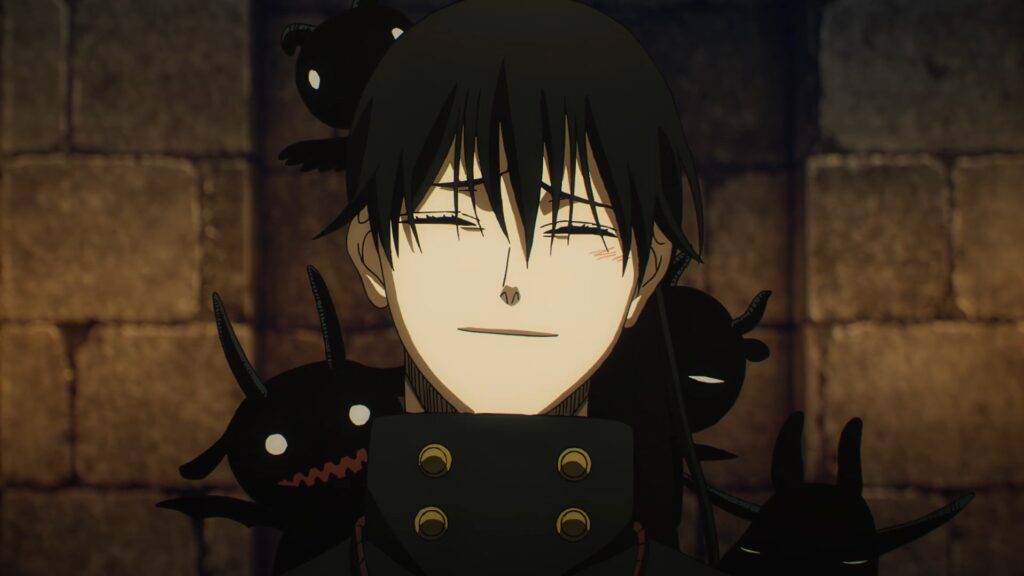
His four contracts came before that tragedy. Nacht had already bound Gimodelo, Slotos, Plumede and Walgner, and through Devil Union he combines his natural Shadow Magic with their abilities. Shadow Magic is his own attribute, not devil magic. After the tragedy he kept those contracts and aimed them at threats such as the Dark Triad. The most defensible explanation is a practical one: he had a dangerous power and chose to use it to protect people. It would go too far to say he kept the contracts only to take revenge on devils.
The ritual that turned ambition into guilt
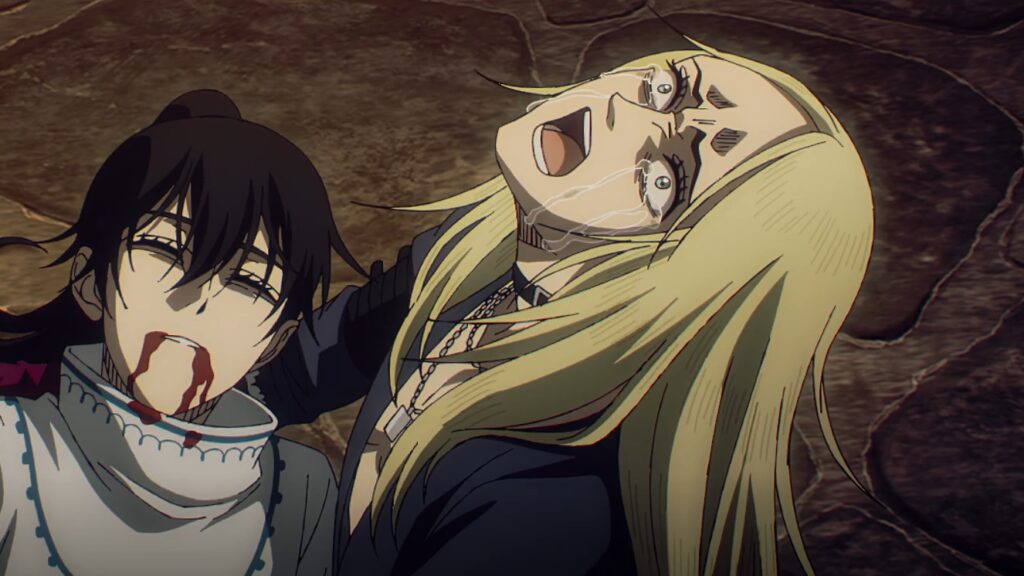
Nacht and his twin brother Morgen were born into House Faust. Nacht was rebellious and self indulgent. When he turned 18, his parents showed him the family’s secret underground chamber, where House Faust had studied forbidden magic and devil binding rituals for generations. Nacht proved gifted and bound four mid rank devils. His father then believed he could bind Lucifugus. Morgen warned him, and Nacht went ahead anyway.
The ritual restricted Lucifugus’s power, but it was still overwhelming, and the devil killed the Faust family members present. Morgen stepped into the magic circle and destroyed the bracelet linked to Lucifugus. That canceled the summoning and sent the devil back to the underworld, but it left Morgen fatally wounded. Before he died, he told Nacht he had never reported the family’s forbidden activities because he wanted to stand beside him as a Magic Knight. The scene appears in Black Clover Season 2 Episode 4, “Day of Atonement.”
Nacht did not intentionally kill his brother, but his recklessness created the circumstances that did. That difference shapes his guilt. The danger came from a ritual he chose to attempt, so his hatred of evil points back at himself.

Morgen had Light Magic. Nacht had Shadow Magic. Morgen joined the Grey Deer and kept encouraging his brother to follow the same path, and Nacht refused. What Morgen wanted was for the two of them to protect the Clover Kingdom together as knights of light and shadow.
In Season 2 Episode 4, Yami visits Morgen’s grave and promises to make Nacht vice captain of his own Magic Knight squad. Nacht ends up in a role where he fights from the shadows, without the spotlight he associates with someone genuinely good like Morgen. His philosophy is to use evil against evil and not seek recognition. It is tempting to read that as the shadow half of Morgen’s dream, carried on by one brother alone, though that is interpretation.
Four devils that do not fit his rule
If Nacht believed devils were simply heartless, his own contracts would be a strange thing to live with. The Anime suggests the relationship is more complicated than a master and his tools.
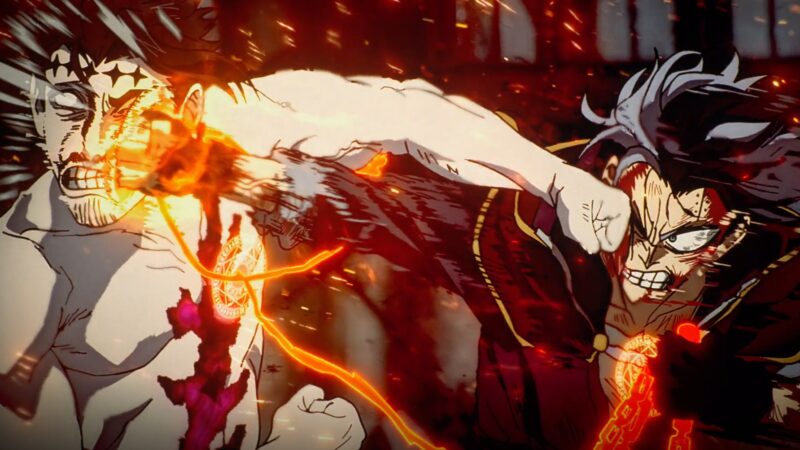
During his fight against Lilith and Nahamah in Season 2 Episode 4, Nacht asks Plumede and Walgner to help with a dangerous plan. They answer with personal loyalty. Plumede says Nacht has let them experience things they never could have in the underworld, and Walgner expresses confidence in him. Later in the episode, Asta rescues Nacht and Gimodelo is visibly relieved that he is alive, embracing his face.
None of this proves Nacht considers Gimodelo a friend, and the contracts remain binding. But the claim that he sees his devils as nothing more than disposable tools is too absolute for what the Anime shows. A fairer reading is that he distrusts devils as a category while keeping working, mutually beneficial and sometimes affectionate relationships with individual ones. His four devils are exceptions he tolerates and uses, not proof that he has resolved his prejudice.
Asta and Liebe: two ways to hold a devil’s power
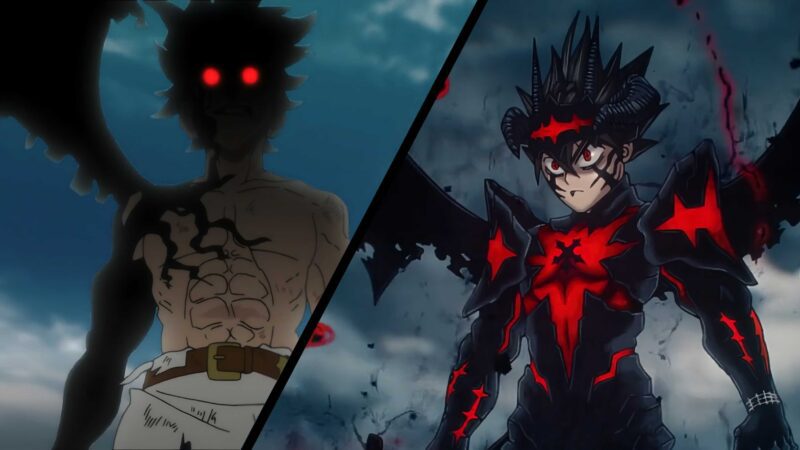
The clearest contrast comes from Asta. Nacht insists that devils cannot have good hearts. Asta reads ki and concludes that Liebe has no genuine killing intent toward him. Nacht initially rejects that observation.
After Asta defeats Liebe, he has the chance to subjugate him. He chooses an equal contract based on friendship instead. Nacht warns that this cannot guarantee Liebe’s cooperation, yet after seeing the two together he acknowledges that Asta’s choice was right.
That moment matters because it goes against the principles behind Nacht’s own practice of binding devils. His prejudice is severe, but it is not frozen. He can recognize goodness when someone shows it to him, which makes his view of devils a belief he still holds, not a fixed law of his character.
Atonement or self punishment?
Nacht’s moral outlook seems to leave no room for a clean slate. He treats later good deeds as unable to erase earlier wrongdoing, and he struggles to extend to himself the forgiveness Morgen saw in him. Asta holds the opposite view: he does not believe a person has to stay defined by their origin or past.
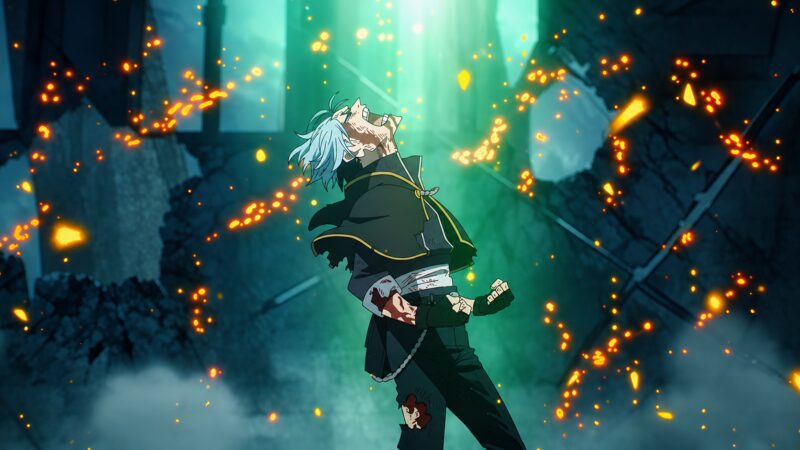
Nacht’s battle against Lilith and Nahamah supports two readings. He is prepared to sacrifice himself while trapping them inside his shadow magic, with a spell called Monument of Atonement. One reading is atonement through action: he wants innocent people to survive, even if protecting them costs him his life, so that others do not suffer as Morgen did. The other is self punishment, a man who places so little value on his own future that dying looks like the natural price. The story supports both. It does not establish that Nacht consciously regards death as the only acceptable form of redemption.
So why does he keep the power?
Nacht distrusts devils because of the cruelty and danger he associates with them, and his deepest opposition is reserved for beings who inflict suffering without justification. He keeps his four devils because those contracts were already his, and because he can aim them at enemies like the ones who destroyed his family. The contradiction is real, but it is the point of the character. His hatred is partly a verdict on his own past, and his devils and Asta both suggest that people, and devils, can move beyond the evil tied to their history. Nacht is the one who has trouble believing it about himself.