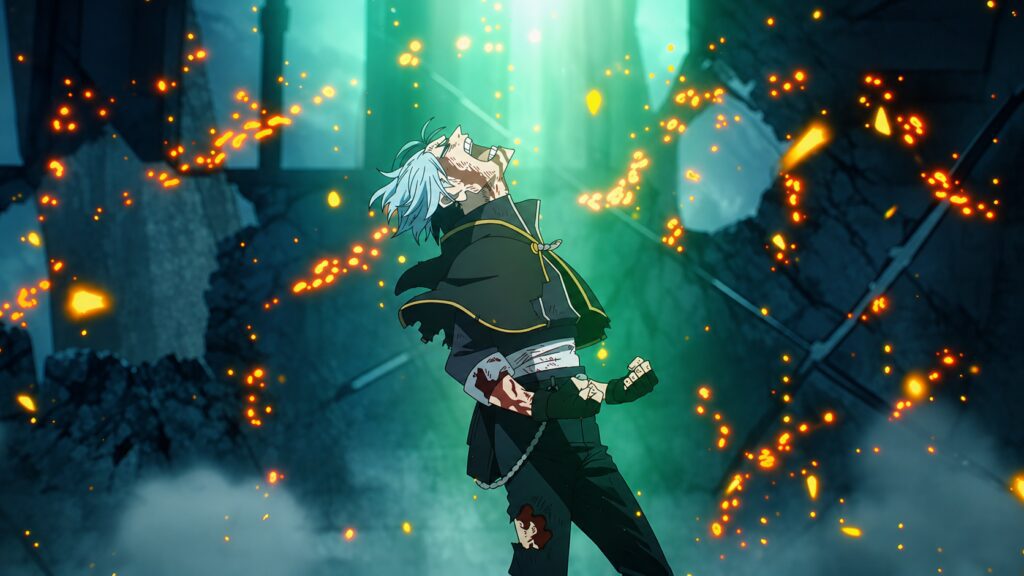
Magna Swing’s character development is often reduced to one moment: the day he got a spell strong enough to beat a member of the Dark Triad. That undersells him. The spell is where his story arrives, not where it starts. Magna spends the timeskip learning that the guts which earned him a place in the Black Bulls cannot close every gap, and what he does with that discovery is the real change.
The timing is useful for anime viewers. Black Clover Season 2 began airing in October 2026, and Episode 175, “The Highest vs. The Lowest,” aired on October 31, 2026. It introduces Magna and Zora’s confrontation with Dante Zogratis and features the spell Magna spent six months developing. That is the start of the fight on screen, not the end. The full confrontation is in the manga, across chapters 291 to 293, because the original 170 episode anime ended before reaching it. This article follows the manga for the result.
Magna Swing’s Character Development Starts With What Guts Meant
Magna is a commoner from the Clover Kingdom with comparatively small natural mana reserves. Yami did not recruit him for exceptional mana or aristocratic potential. He recognised his fighting spirit. That gives Magna a clear identity: loud, aggressive, competitive and stubborn, the one who never backs down.
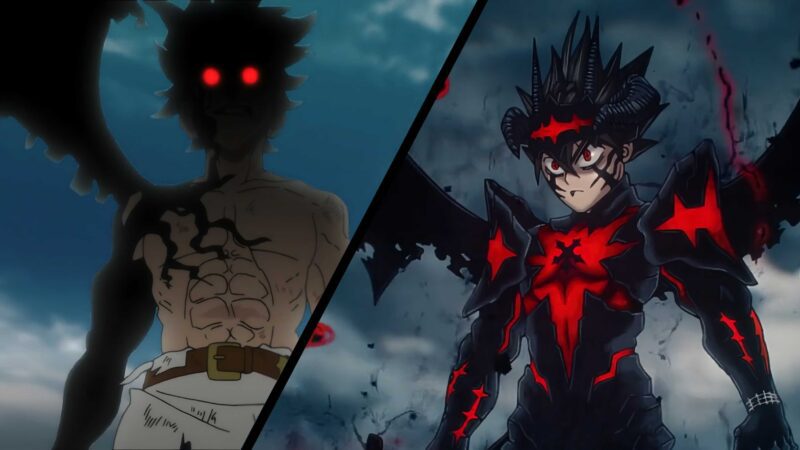
That identity works until the opponent changes the rules. Dante has Body Magic and Gravity Magic, immense mana, and devil power through Lucifero. His Body Magic also lets him recover from physical damage, so ordinary punishment does not defeat him. Magna cannot realistically close that gap by training harder the way powerful mages improve. Guts alone is not a plan against Dante, and the story forces Magna to see it.
The Timeskip: When Trying Harder Stopped Working
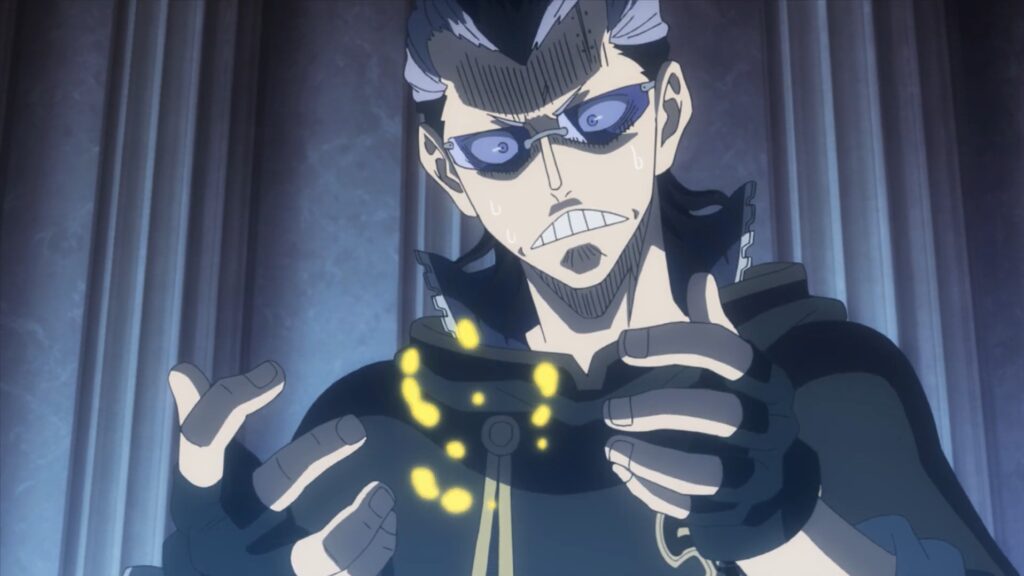
During the six month timeskip, the Heart Kingdom’s Mana Method offers a chance to improve his magical control through runes and natural mana. Magna struggles to master it. Motivation is not the problem. He wants to improve, but he cannot progress along the same route as his peers. Luck is advancing through the Heart Kingdom training, and Magna does not want to fall further behind or become a burden to the Black Bulls.
What makes this the turning point is his response. He does not give up the ambition. He goes looking for a method that fits what he actually has. In my reading, that is the quiet center of his arc: getting stronger stops meaning “do what the strongest do, only harder” and starts meaning “find the route that works for me.”
Learning From Zora Instead of Copying Him
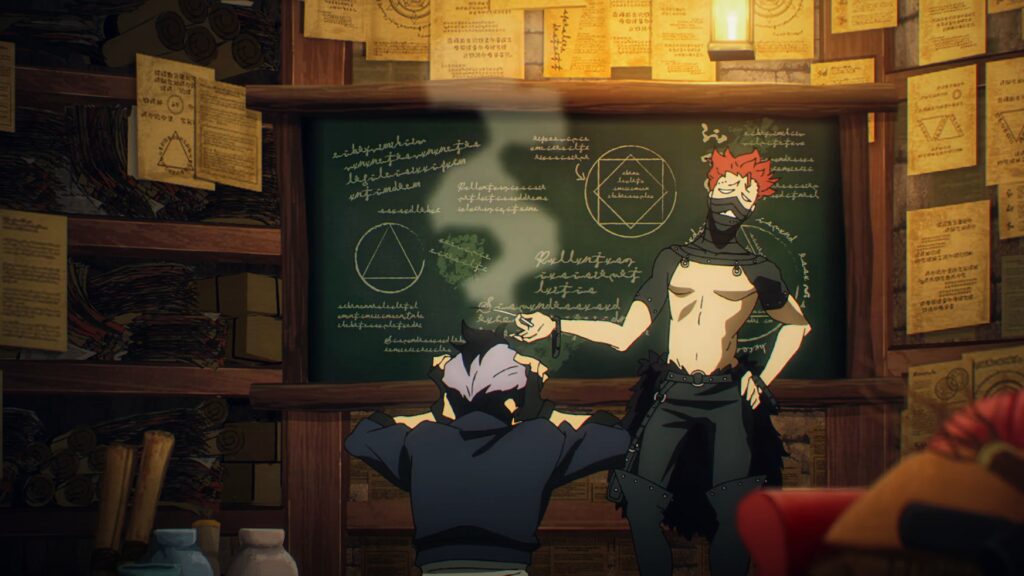
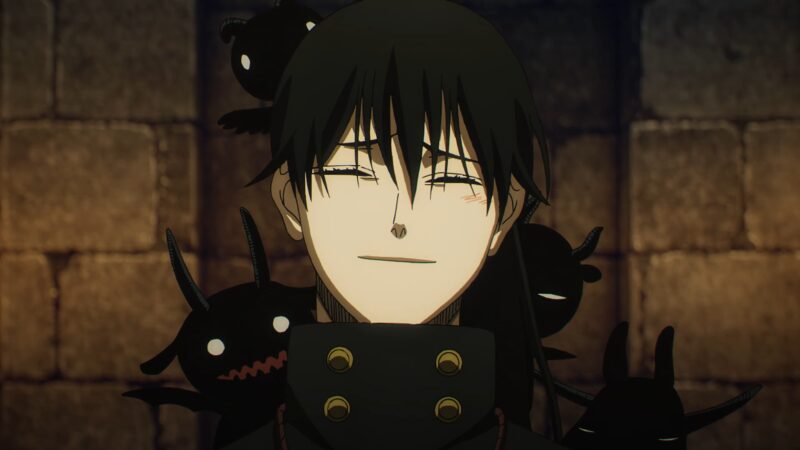
Magna asks Zora to teach him rune arrays (chapter 292). Zora’s Trap Magic and rune expertise give him a different way to think about magical combat. The training covers drawing and arranging runes, how mana relates to magical formulas, and how arrays are structured. Magna does not simply borrow Zora’s techniques. He sees that Zora’s existing counter techniques do not suit his fighting style, develops a different solution, and brings it back to Zora.
That detail changes what kind of character Magna is. He moves from relying on physical aggression to spotting a problem, studying a system and designing an answer. It is collaborative too: Zora supplies the technical foundation, and Magna works out how to use it for his own problem. No hidden bloodline or sudden awakening is involved. Soul Chain Deathmatch is still a major new ability, so the point is not that Magna avoids a power up. The point is where it comes from: deliberate invention and help from a teammate.
How Well Do You Know Magna Swing?
BLACK CLOVER TRIVIA ✧ 10 QUESTIONS ✧ EASY TO EXPERT
Loading question…
Choose one answer to continue.
Black Bulls Recruit
Review Answers & Explanations ⌄
What Soul Chain Deathmatch Actually Does
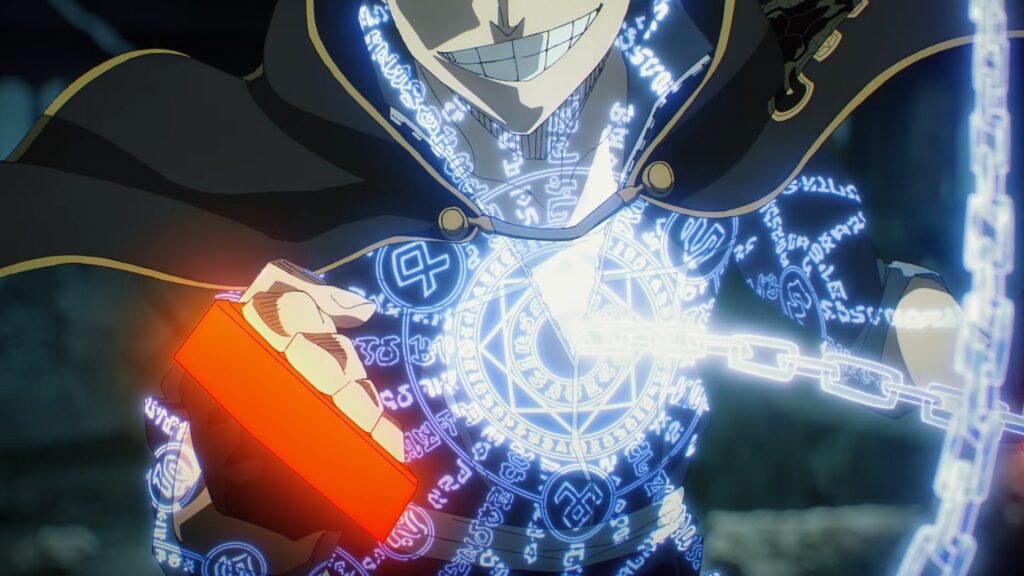
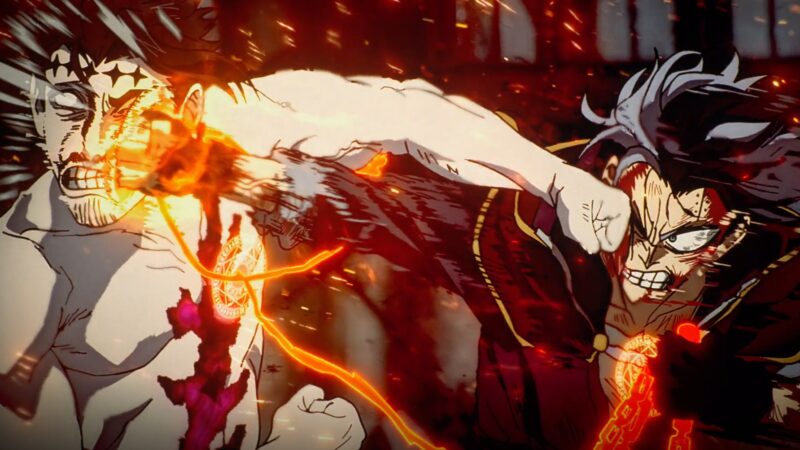
Magna covers his body in an intricate rune array and throws a fireball at Dante’s chest. The fireball produces a magic circle and a fiery chain that links the two fighters through their souls, and their combined magical power is divided equally. (VIZ’s official English name is Soul Chain Death Match.) Magna does not steal Dante’s power. The spell redistributes what the two share, which attacks the exact advantage that made Dante overwhelming.
The limits matter just as much. The prepared array is consumed once the spell activates, so it is a single use technique in that configuration. The six months refers to developing the spell, not to a fixed preparation time for every use. It has to connect, outside interference can disrupt it, and because the chains are made from the fighters’ souls, breaking the link carries a severe consequence. Equal magical power also does not mean equal combat ability. Experience, instincts, condition and technique still count.
Why the Fight Works: Equal Power Was Only the Opening
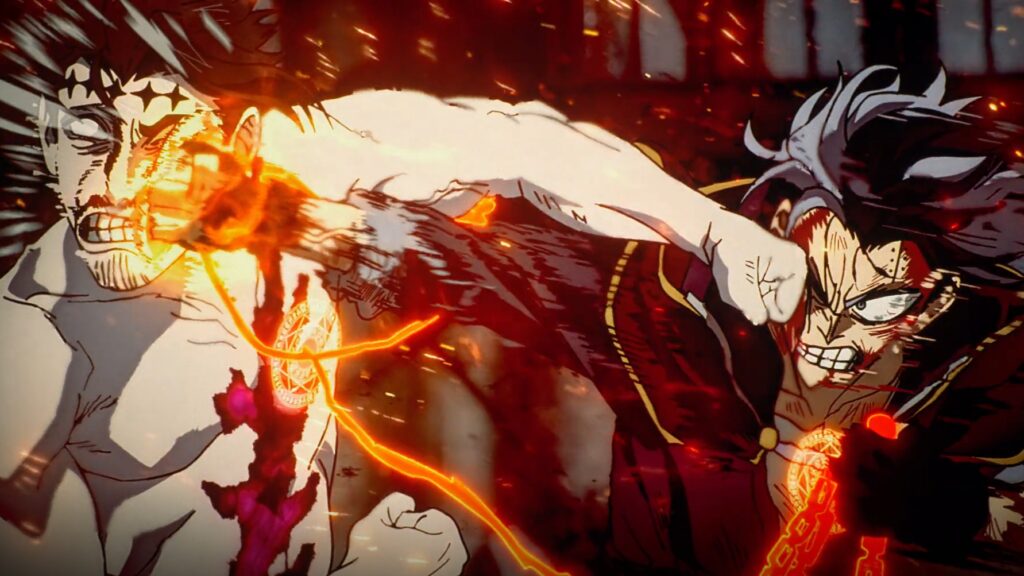
Once the chain connects, Dante is shocked that someone he considers inferior can withstand his attacks. He had allowed Magna to hit him in the first place because he thought Magna insignificant.
Dante keeps using Body Magic to recover from Magna’s punches, so damage alone does not end the fight, and it turns into an endurance contest. Dante is used to opponents who cannot meet him on equal terms, and he has never needed to manage his reserves the way Magna must. He eventually runs out of magic, losing his connection to Lucifero’s power along with his Gravity Magic and Body Magic. Magna is exhausted as well. The fight ends in a physical exchange of punches, and Magna is the one still standing.
The spell creates the opportunity, and stubbornness finishes the job. The old Magna has not gone anywhere. He still refuses to stay down. What has changed is that he prepared for one specific opponent, and he brings discipline and endurance to a fight he once might have charged into. Arguably the chain says the same thing visually: it forces equality on both fighters, and Magna turns that restriction into his weapon.
Yami Was Right About Magna
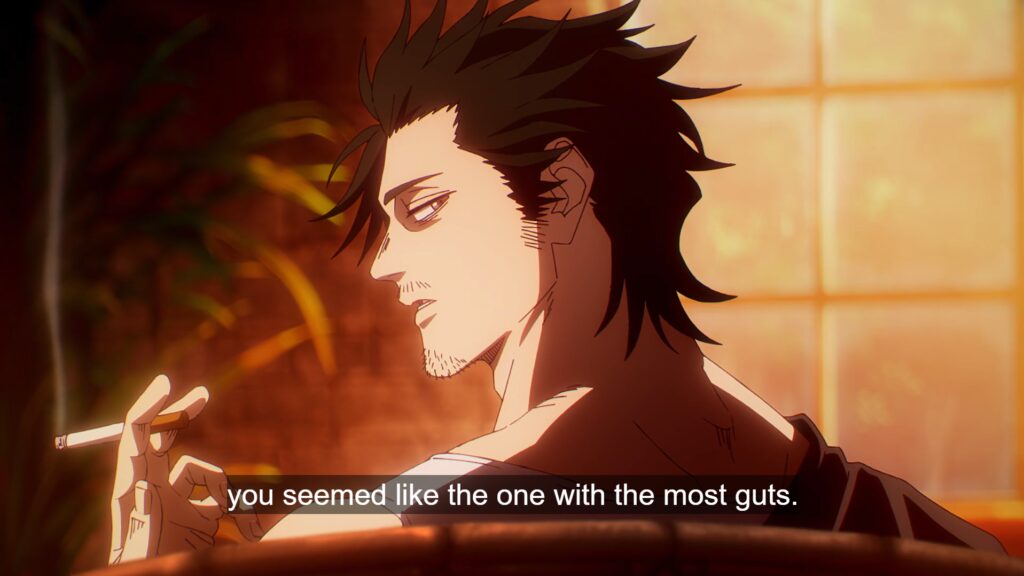
Earlier Magna rushes into difficult fights and measures himself against stronger allies. The Magna who fights Dante refuses to surrender despite exhaustion, and his guts now show up as discipline and endurance rather than simple fearlessness. That reading gives Yami’s choice a deeper meaning than it first had. He picked Magna for fighting spirit, and the Dante fight shows what that spirit becomes when it is given a method.
The adaptation’s own framing points the same way. Avex Pictures’ official synopsis for Season 2, Episode 5 (Episode 175) sets Dante’s overwhelming mana against Magna’s determination, described through the guts that earned Yami’s recognition.
A Commoner Against the Hierarchy
Black Clover repeatedly ties magical ability, class and status together. Dante combines privilege, natural talent and supernatural enhancement. Magna starts with comparatively little, and he beats Dante without acquiring Dante’s advantages. Within the story, that suggests the magical hierarchy is not an absolute measure of what a person can become. It is a reading of the story rather than something the text states outright, but it gives the victory weight beyond one battle.
The Change Is in the Method
Magna’s development is a change in method, not a gain in size. He keeps the stubbornness Yami noticed and learns to aim it, with Zora’s help and months of work behind him. Soul Chain Deathmatch is the proof of that change, which is why the Dante fight lands as a culmination and not a lucky break. Season 2, Episode 5 (Episode 175) only opens the confrontation, so how the anime handles the endurance contest and the final punches is still to come.