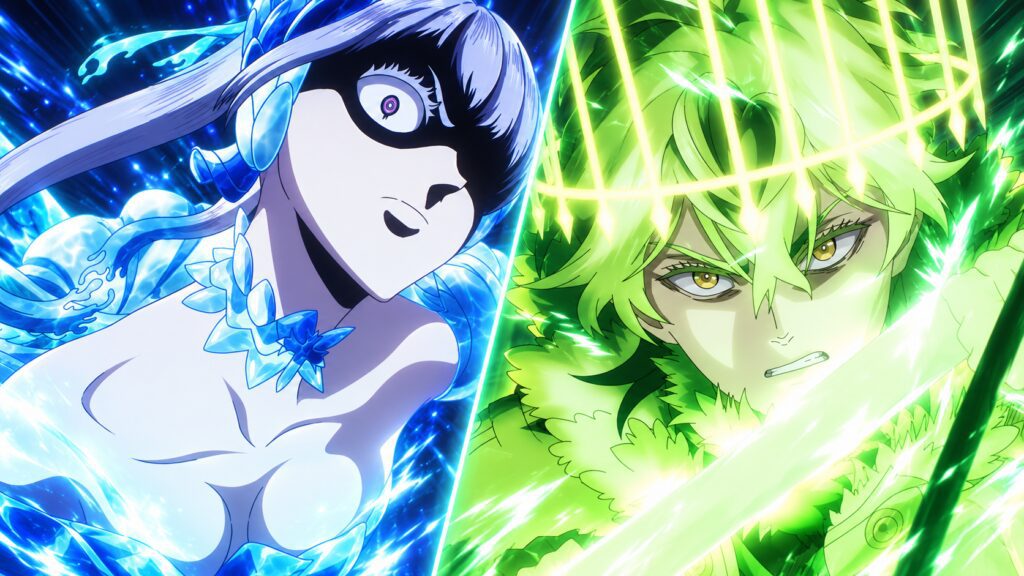
Why does Yuno feel less developed than Noelle? It is a fair question, because on paper Yuno changes a lot. He starts as a gifted wind mage with a calm exterior and a lifelong ambition to compete with Asta for the Wizard King title, and he ends up facing Lucius in the final battles. The problem is that readers watch Noelle change, while Yuno’s changes often show up already finished.
That is the argument here. Black Clover gives the two characters different kinds of narrative attention. Noelle’s growth is something readers experience alongside her, while Yuno’s is sometimes something they discover after it has happened. This is an interpretation, not something Yūki Tabata has stated, and it has exceptions.
Why Does Yuno Feel Less Developed Than Noelle? Start With Where They Begin
Noelle’s official profile describes her difficulty controlling enormous magical power, an inferiority complex fed by her family’s contempt, and a kindness she struggles to express beneath her arrogance. She has royal magical potential but believes she is a failure. That contradiction gives readers an obvious starting point to measure her against.
Yuno’s profile points the other way: exceptional talent, a calm exterior, a competitive streak and a clear goal. He begins close to where many characters hope to finish, which leaves less visible distance to travel. That does not mean he starts without vulnerability. Episode 2 establishes that he remembers how Asta inspired him as a child and how their shared ambition to become Wizard King began. Nobunaga Shimazaki, his Japanese voice actor, described him in a July 14, 2019 LisAni interview as someone who was once timid and drew courage from Asta. Those are the actor’s interpretations, not additional canon, but they suggest the vulnerability is there. It just sits further beneath the surface.
Noelle’s Growth Stays in Front of the Reader
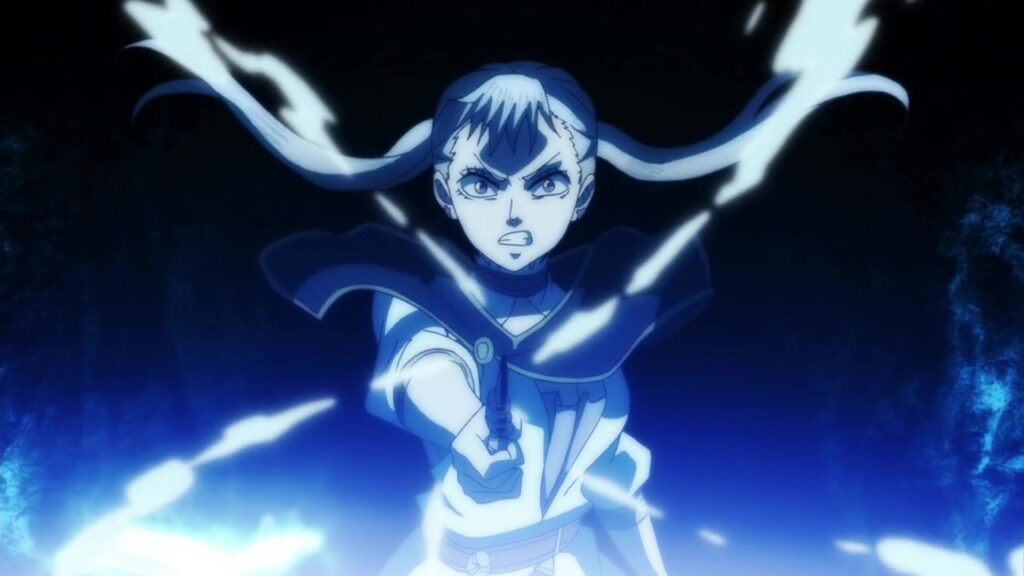
Her breakthroughs keep arriving alongside decisions. In Episode 7 she joins the Black Bulls, behaving arrogantly while hiding a personal problem. In Episode 10 she develops Sea Dragon’s Nest while protecting villagers from Heath Grice’s forces. In Episode 46, after watching Kahono, Kiato and others fight for the people they care about, she decides to protect what matters to her and awakens hidden power. By Episode 108, when Nozel is critically injured, her confidence as a Magic Knight and her wish to protect her siblings give rise to another powerful spell.
Read together, those episodes show her responsibility widening from strangers to the family whose judgment once defined her insecurity. Her magic works as a record of how she sees herself. The recurring ensemble around Asta also gives the series regular chances to show her pride, kindness and confidence shifting.
Her family storyline continues instead of resolving and disappearing. In Episode 127, Noelle asks Dorothy Unsworth about her mother’s death and learns that a devil was involved. Acier Silva died after receiving a curse from Megicula following Noelle’s birth, and Shueisha’s Volume 30 synopsis sets Noelle against Vanica with newly acquired power, framing the fight through the Silva family’s longstanding connection to Vanica and Megicula. Her later conflicts grow out of the wound established at the start rather than replacing it. That continuity is a big part of why her arc feels cohesive.
Yuno’s Growth Happens Between Appearances
The same Shimazaki interview is the best evidence for this reading. He noted that Yuno does not appear very often, and that Yuno and Asta repeatedly meet again after time apart, so Yuno sees the results of Asta’s experiences without having witnessed every step. He then listed changes in Yuno himself: more openness toward the Golden Dawn, interest in people beyond Asta, and a stronger desire to protect others. He also acknowledged that the audience does not accompany Yuno through all of those experiences. He was describing what it is like to play the character, not criticizing the writing.
The series does show the attachment. In Episode 17, Yuno and Klaus confront Mars while protecting the injured Mimosa, and Yuno’s attacks prove insufficient. In Episode 66, Yuno, Klaus and Mimosa are relieved about Asta’s recovery. These are glimpses of a relationship, though, not a sustained look at one.
Shueisha’s novel Black Clover: Yuno no Sho (Yuno’s Book) suggests there is plenty to dramatize. Written by Johnny Onda with Tabata credited as original creator, it was released on October 4, 2019 and follows Golden Dawn missions, Yuno’s interactions with his squadmates, and stories involving Vangeance.
In an editorial interview published October 3, 2019, the editor said the team chose to focus on Yuno and decided Asta did not need to be at the forefront. The book is supplementary material, so it does not prove those scenes happened in the manga, and the interview does not say it was meant to fill any gap. It does show that Yuno’s life with his squad can carry stories without Asta. How differently might readers see him if more of that had been dramatized in the main series?
Does the Spade Kingdom Arc Settle It?
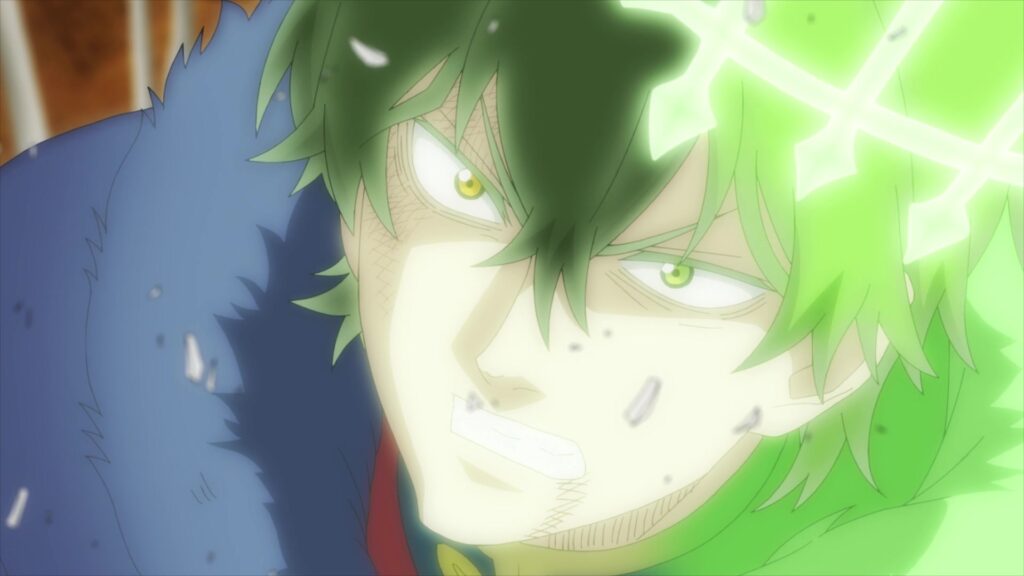
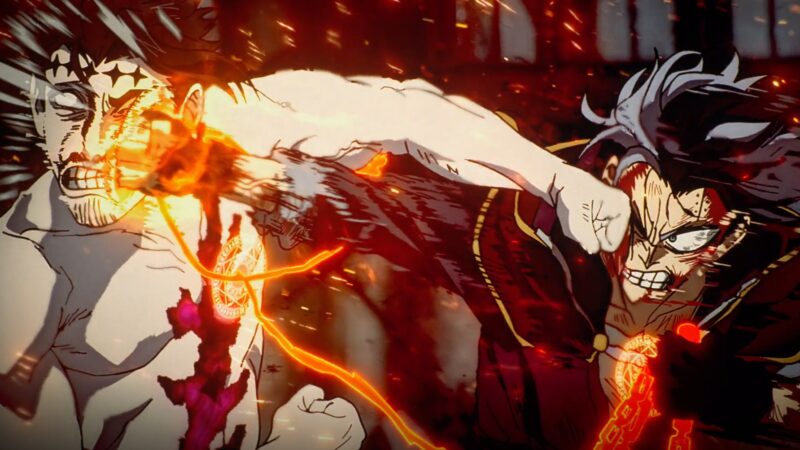
It is the best test of the argument, because it gives Yuno real stakes. In Episode 161 he sees the devastation of the Golden Dawn headquarters and becomes enraged at what has happened to his comrades. Shueisha’s profile of Zenon calls him the Dark Triad member who devastates the Golden Dawn and corners Yuno, and the Volume 31 synopsis has Yuno and Langris fighting Zenon together, overwhelmed by his increasing power, in a battle that reveals information about both Zenon’s past and Yuno’s identity. That undercuts any claim that Yuno never struggles, never loses or only cares about beating Asta.
The royal revelations add a second layer. Shueisha’s profile identifies Yuno as a prince of the Spade Kingdom despite his upbringing alongside Asta. His origins become relevant in Volume 24, and Episode 160 reveals the circumstances of his birth immediately before the Golden Dawn attack. Revelations and development are not the same thing, though. Learning he is Spade royalty changes what the audience knows about Yuno. It does not by itself show how his choices or values change in response.
So the arc deepens something already there rather than inventing it, but much of its weight rests on bonds readers mostly heard about instead of watching form. The late volumes also confirm Yuno is not sidelined: Volume 36 has him confront Lucius directly, and in Volume 38 the final confrontation brings Asta and Yuno together against him. Those battles come from the manga, and the anime’s second season only began airing on October 3, 2026.
Seen Versus Discovered
Yuno is not so much less developed as less witnessed. Noelle starts with limits that can be measured, her breakthroughs sit beside her emotional decisions, and her family wound carries through to Megicula. Yuno starts strong, his growth within the Golden Dawn is mostly glimpsed or reported, and his largest personal conflict arrives through revelations and a defeat. Noelle also gets conventional power progression and Yuno has scenes of real emotion, so this is a difference of degree. It still explains the feeling. Noelle’s growth reads like a journey readers take with her, while Yuno’s reads like one they check afterward, with the Zenon fight where it is easiest to see.
Sources: https://bclover.jp | https://shonenjump.com | Shueisha | LisAni | Shueisha editorial interview on note