This article contains major spoilers for Episode 175 of the Black Clover anime and for the manga’s Final Arc.. Read on only if you are caught up.
How powerful is Magna Swing? Black Clover Season 2, Episode 5, “The Highest vs. the Lowest,” forced that question back into the conversation when it aired on October 31, 2026. In it, Magna beats Dante Zogratis, a Dark Triad member using 100% devil power, in a solo fight. The easy reading is that Magna must have been hiding enormous reserves. The evidence points the other way. His natural mana stays small. What he has built is a way to make an overwhelming mana advantage matter far less, plus the endurance and tactical sense to win once the rules have changed.
How Powerful Is Magna Swing Without Soul Chain Deathmatch?
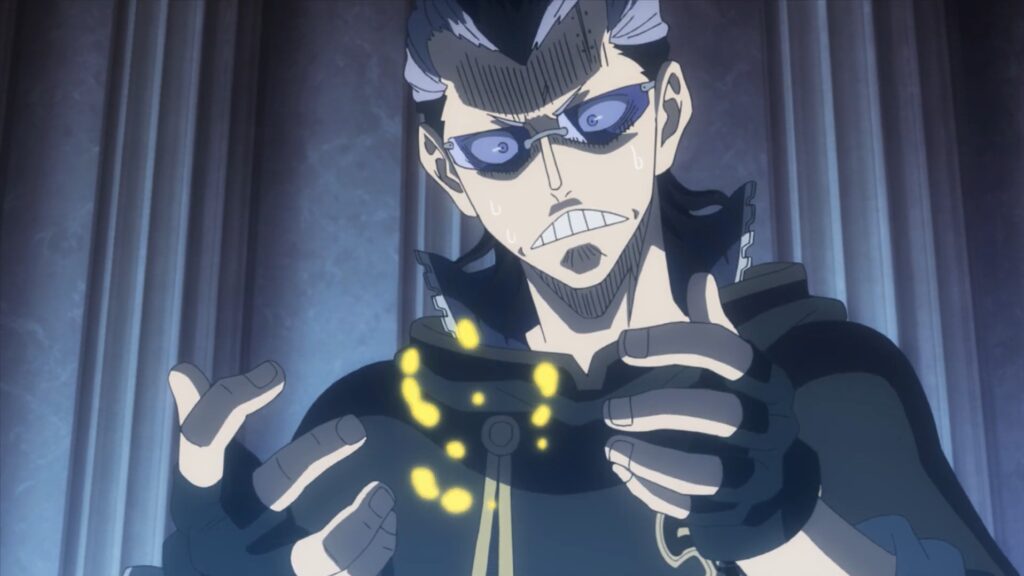
Less powerful than his reputation now suggests. Magna is a peasant from Rayaka with a Fire Magic grimoire, and his documented rank is 5th Class Junior Magic Knight. Rank is an administrative label and says nothing about how dangerous his best spell is, but his natural reserves are low next to nobles, royals and devil powered opponents. The original databook scores his magic amount at 3 out of 5 and his magic control at 4 out of 5, with a 5 out of 5 batting eye. Those are older figures, not updated for the Final Arc, but they fit how he fights. His baseball themed spells depend on aim, timing and projectile control more than on volume.
The ceiling shows in Black Clover Season 1, Episode 44 and 45. Magna and Luck combine fire and lightning into a joint cannon attack against Vetto, a member of the Eye of the Midnight Sun’s Third Eye. Vetto withstands it, and both Black Bulls are left too exhausted to continue. Determination did not close that gap. His failed attempt to learn the Heart Kingdom’s Mana Method makes the problem clearer, because that technique demands more mana than he naturally has. The failure sends him toward Zora’s rune array research.
Tactics Did the Growing, Not Mana
Magna’s earlier fights show him learning to win through deception and timing. In Season 1, Episode 78 and 79, during the Royal Knights Exam, he throws a fireball that vanishes and strikes from an unexpected direction, and it genuinely threatens Asta’s team’s crystal. Zora then uses Trap Magic to return the attack against him, and Magna’s team loses. He had a clever trick but no plan for an opponent who had studied it. That same Zora later becomes his teacher.
Season 1, Episode 104 and 105 add endurance to the picture. Facing Lufulu, the elf inside Luck’s body, Magna cannot match the speed, so he tries disappearing projectiles, delayed explosions and his familiarity with Luck’s habits. He also detonates an attack at close range and accepts the damage to land a hit, then follows with Maximum Exploding Fireball and flame restraints. Lufulu still overpowers him, and the rescue needs Vanessa and Asta. The fight matters for what comes later: Magna’s willingness to take pain and manipulate an opponent’s expectations existed well before Soul Chain Deathmatch. The Dante fight grows out of habits the story had already shown.
Six Months of Runes and a Rewritten Fight
Magna’s answer to his mana problem is Secret Flame Magic: Soul Chain Deathmatch, developed over six months of training with Zora Ideale. Season 2, Episode 5 is its first full anime demonstration, and Black Clover manga Chapters 291 to 293 cover the same fight. Magna has to land a special fireball to establish the spell. Once it connects, a prepared rune array links the two fighters through a chain formed from their souls, and their combined magic power is divided equally. Tearing the chain out risks losing one’s sanity, and it persists even after both fighters run out of mana. It ends when one of them loses consciousness.
The costs are part of the design. The array has to be prepared and disappears after use, so Magna cannot treat it as an ordinary attack. Another mage interfering can disrupt it. And it equalizes magical power, not experience, spell variety or physical ability. The story establishes the equal division of combined mana, but not a precise ledger for every spell cast afterward.
Dante begins with Gravity Magic, Body Magic, devil power, regeneration and the mana to sustain all of it. Magna arrives with Zora while Dante is fighting Jack. Dante dismisses him as a peasant and lets the attack connect. That arrogance helps Magna, but it is not the whole explanation.
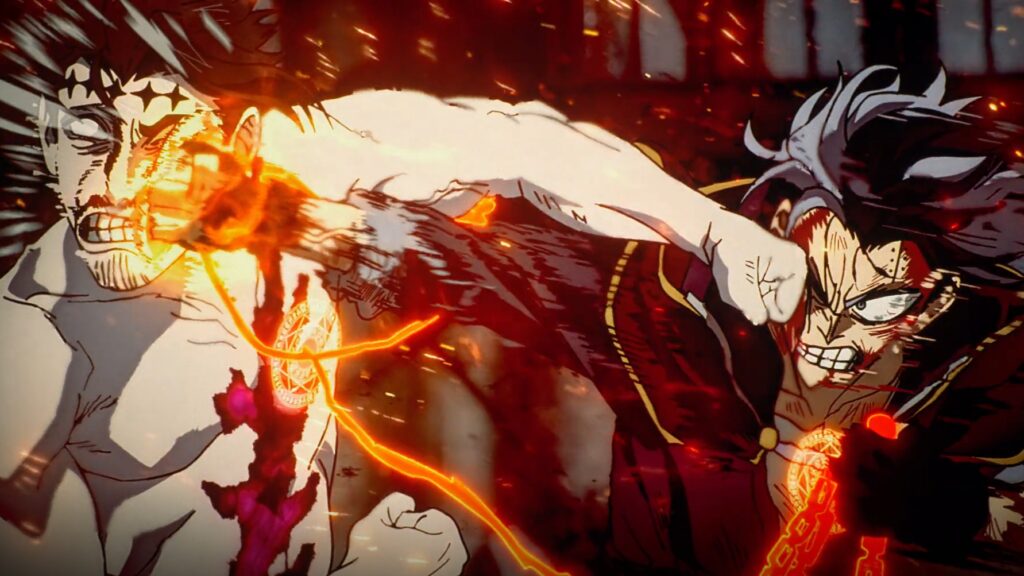
After the spell takes hold, Dante keeps fighting as if abundant magic and regeneration will settle things, and he never adjusts to the new limits. Magna uses his increased share of mana to make fire knuckledusters and trade blows. When both fighters are drained, Dante loses the resources behind his devil power and regeneration, and the fight becomes physical. After a brutal exchange of punches, Magna is still conscious and Dante is not, which ends the chain.
This is why endurance matters as much as the spell. The rune array removes Dante’s advantage; it does not hand over the win. Magna still has to survive Dante’s repeated punches and gravity enhanced pressure, then deliver the finishing blow. The habit of absorbing damage, seen in Season 1, Episode 104, is what carries him through.
How Well Do You Know Magna Swing?
BLACK CLOVER TRIVIA ✧ 10 QUESTIONS ✧ EASY TO EXPERT
Loading question…
Choose one answer to continue.
Black Bulls Recruit
Review Answers & Explanations ⌄
What the Dante Win Does Not Prove
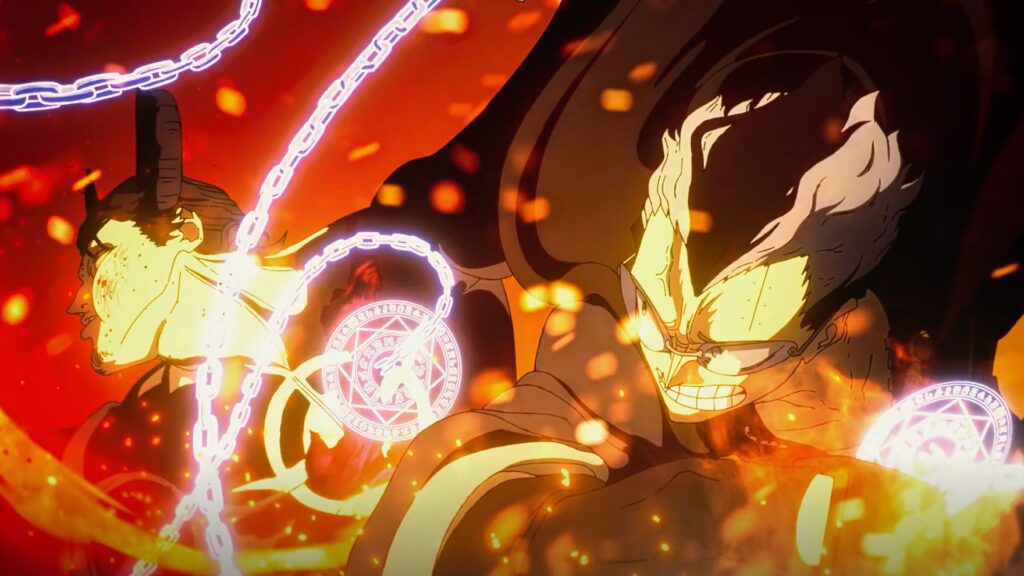
Black Clover Season 2, Episode 5 establishes that Magna beat a Dark Triad member, overcame a huge mana gap, survived repeated attacks and managed his mana better than his opponent in that matchup. It does not establish that his raw mana exceeds Dante’s or that he is stronger than every captain. Captain abilities and tactical responses vary too much for that leap.
The manga shows the limits more bluntly. In Chapter 365, Magna tries Soul Chain Deathmatch on the Paladin Damnatio Kira. Luck helps him into range, but Damnatio strikes Luck and destroys the spell before it connects. An enemy who stops the first connection stops the whole mechanism, so the spell cannot be called an automatic answer to powerful opponents.
Chapter 369 pushes the idea further. Magna’s Soul Chain Tag Deathmatch links him, an ally and two enemies, and divides the combined magic of all four. He and Luck use it against a Lucius clone and a Guardian Angel, and they finish the clone with a combined attack powered by limited borrowed power from Asta, which the attack exhausts. It is a real step beyond the one on one version. It is also a shared victory over a clone, not proof that Magna could beat the original Lucius alone.
The Short Answer
Magna’s base power is modest, and his conditional power is exceptional. He is a specialist who can beat opponents far above his conventional level when he can impose the conditions his technique needs. That is different from being a captain level fighter across the board, and the evidence does not establish it. What Black Clover Season 2, Episode 5 does confirm is a pattern that runs from his Royal Knights Exam loss to the Dante fight: study the problem, build a counter, take the hit and keep standing.
Sources: Crunchyroll | official Black Clover anime website | MANGA Plus